Most parents put real thought into buying a car seat: reading reviews, checking certifications, comparing prices. Then it gets installed, the tags come off, and it becomes part of the background of daily life. Nobody looks at it closely again until something makes them wonder if it still holds up.
This is for you if you installed your seat a while back and have not really looked at it since; if you are using a secondhand seat and want to know what to check; or if you just want a quick way to confirm your child's seat is still doing its job, without spiraling into worry over it.
This checklist covers six things worth checking on the seat you already own: the label, the harness, the recline, signs of wear, recalls, and the installation itself.

A Note Before the Checklist
None of this is about second-guessing your seat or your judgment as a parent. A well-made car seat, used correctly, is still one of the most effective things you can do for your child on the road. This checklist is simply about staying in touch with a piece of gear that works hard, every single day, in changing conditions.
A quick note before you go through this: the information here is general and meant to help you notice things worth a closer look. It is not a substitute for the instructions that came with your specific seat, or for a conversation with the brand's customer support if something feels off.
Check the Label: Manufacture Date and Expiry
How do you check if a car seat has expired?
Look for a permanent label or stamp on the base or back of the shell showing the manufacture date, and sometimes an explicit expiry date. If only the manufacture date is shown, apply the seat's stated lifespan, commonly six to ten years, to work out when it should be retired.
Car seats are not built to last forever, and that is not a flaw. Plastics, foam, and harness webbing change over years of use, especially inside a car that heats up in the sun and cools down at night. Franciscan Health's car seat safety guide, reviewed by a certified child passenger safety technician, puts it simply: Everything breaks down over time, and a car seat spends its life in the heat and cold of a parked vehicle.

Doctar's guide to car seat expiration dates notes that Indian summers, with cars often parked outdoors for hours, can speed up this wear well before the seat hits its official expiry. That does not mean your seat is unsafe the moment it turns five. It means the date on the label is worth a glance, the same way you'd check an expiry date on anything else in your home.
A quick way to find it: Run your hand along the underside of the base or the back of the shell. Most brands mould the date directly into the plastic or print it on a sticker that will not rub off.
Check the Harness: Straps, Buckles and Shoulder Height
How often should you check the harness?
Give it a proper look every few months, and any time your child has a growth spurt. Buckle and unbuckle it a few times to feel for smooth clicks with no sticking, run your fingers along the webbing for fraying or stiffness, and confirm the shoulder straps still sit at the correct height for your child's current size, not where they were the day you installed the seat.

A harness that felt perfect at six months can sit wrong at twelve. Dust, food, and general daily use can also make a buckle feel less snappy than it once did. HealthyChildren.org's car seat checkup guide, published by the American Academy of Pediatrics, recommends the pinch test after every buckle: tighten the harness, then try to pinch the webbing at your child's collarbone. If you can pinch any slack, it needs tightening.
Two things to glance at monthly:
-
Shoulder strap height, matched to your child's growth.
-
Buckle action, checking for smooth engagement and release.
For choosing the right fit before you buy, our guide to car seat certifications and common installation mistakes is a good place to start.
Check the Recline: Getting the Angle Right as Baby Grows
Why does the recline angle matter for babies?
A young infant's neck cannot yet hold their head up on its own, so an upright angle can let the chin drop toward the chest and narrow the airway. RaisingChildren's guide to baby airway safety explains that this chin-to-chest position is a genuine concern in car seats, prams, and carriers alike, particularly for very young babies.
The right recline is not a one-time setting. As your baby's head and neck control improves, the ideal angle can shift, which is exactly why most seats offer multiple recline positions rather than just one.

Watch for the basics: If your baby's chin is resting on their chest, or their head is flopping forward when they sleep in the seat, it is worth adjusting the recline and checking the seat's built-in level indicator if it has one.
This worry is common enough that parents bring it up in online parenting communities too, describing a baby who seems uncomfortable or awkwardly positioned in a car seat attachment. It is a fair thing to notice, and usually a sign to check the recline setting rather than the seat itself.
Check for Wear: Heat, Sun, and Monsoon Damage
Does heat affect car seat safety?
Yes. Repeated heating and cooling inside a parked car can make plastic more brittle over time and cause visible fading. Franciscan Health's safety guide notes that materials degrade faster under extreme temperatures, which is worth factoring into how and where you park.

India's climate adds two more things to watch for:
Sun and heat. Look at the plastic shell and base for chalky discolouration or fine cracks, especially near the recline mechanism and the harness slots. If you can park in shade or a garage, it genuinely helps extend the seat's condition.
Monsoon dampness. A musty smell, damp padding, or dark spots on the fabric point to trapped moisture. Remove covers to hand-wash separately, and air out foam fully, ideally with a fan, before putting everything back together. Foam that stays damp will not just smell off; it can also compress and absorb impact less effectively over time.

A quick monthly glance covers most of this:
|
What to check |
What it might look like |
|
Plastic shell and base |
Fading, chalkiness, or fine cracks |
|
Padding and foam |
Flatter than before, damp, or musty |
|
Fabric cover |
Dark spots, lingering dampness |
|
Harness webbing |
Fraying, stiffness, discolouration |
If your seat is a hand-me-down or secondhand, the same checks matter even more, along with one extra step: Franciscan Health's guidance from a certified child passenger safety technician points out that hairline cracks from an earlier, unknown impact are not always visible, so a seat with no documented history is one to inspect closely, or replace if anything feels uncertain.
Check for Recalls: What Indian Parents Can Actually Do
How do you check if a car seat has been recalled in India?
Unlike some other countries, India does not yet have one central, searchable recall registry for baby products. The most reliable approach is registering your seat with the brand at purchase and following their official website or verified social channels for updates.
Consumer Reports' overview of baby product recalls is direct about what to do if a recall is issued: stop using the seat and contact the manufacturer for next steps. That advice holds regardless of where you live; the harder part in India is simply finding out a recall exists in the first place.

A few habits make this easier:
-
Register your car seat with the brand as soon as you buy it.
-
Keep the model number, manufacture date, and invoice somewhere easy to find.
-
Check the brand's website occasionally, especially if you bought the seat some time ago.
This is also a reasonable factor to weigh when choosing which brand to buy from in the first place. A brand that is easy to reach and quick to communicate makes this whole step far less of a guessing game. At Loopie, tending to the customer first and always is one of our foundational philosophies.

Check the Install: Catching Drift Over Time
How often should you recheck your car seat installation?
A monthly check is a good habit, along with a check any time the seat is removed, moved between cars, or reinstalled by someone else. HealthyChildren.org's checkup guide recommends the same one-inch test used at first install: Grab the seat at the belt path and give it a firm tug. It should not shift more than an inch in any direction.
Installations drift for ordinary reasons. Vibration from regular drives, a seat lifted out for cleaning the car, or a different family member reinstalling it after a trip can all loosen things gradually, without anyone noticing in the moment.
None of this reflects poorly on whoever installed it. It is simply a reason to build in a quick recheck, especially after anyone other than you handles the seat.
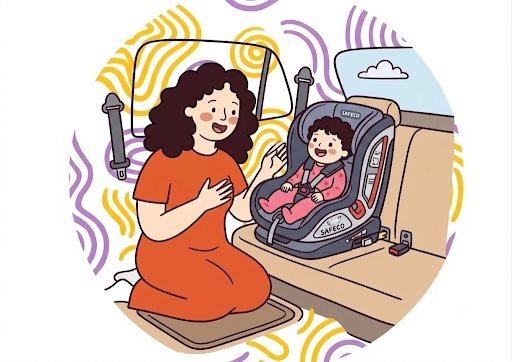
If your car has ISOFIX anchor points, this recheck takes seconds: confirm the indicators show green and the connectors are still clicked in. If you are using a seat belt install, the tug test is your best quick confirmation.

A Seat That Grows With These Checks
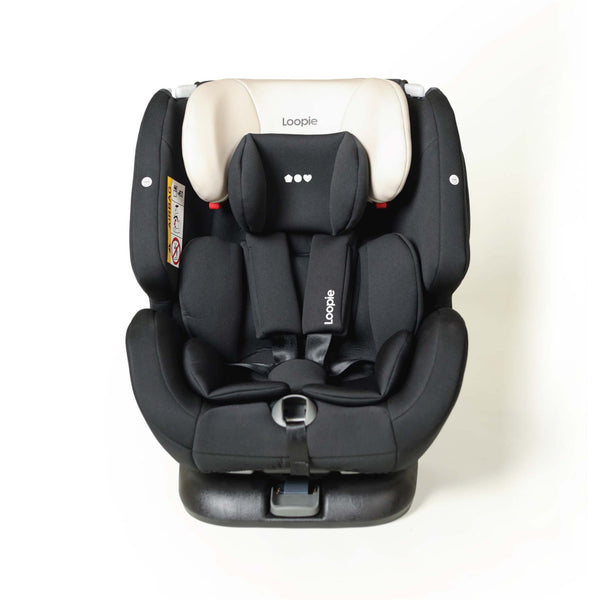
Some of these checks get easier depending on how the seat itself is built. Loopie Lap's multiple recline positions, for instance, make it simple to adjust the angle as your baby's neck control develops, without needing to reinstall the whole seat. Its magnetic buckle holders also keep straps out of the way between rides, which helps avoid the kind of buckle fumbling that can lead to a rushed, slightly-off installation.
None of this replaces the checks above. It just means the seat itself can make staying on top of them a little less effort on busy days, which, as any parent knows, is most days.
FAQs: Answers on Car Seat Expiry and Secondhand Seats
Do all car seats expire, or only cheaper ones?
All car seats have a limited lifespan, regardless of price. It comes down to how materials age over years of use, not build quality alone. Premium seats may carry a longer stated lifespan, but heat and sun exposure can still shorten how well any seat performs over time.
What should I do about a secondhand or hand-me-down seat?
Check the manufacture date, inspect closely for cracks or fraying, and confirm all original parts and labels are present. If you cannot verify whether the seat has ever been in an accident, it is worth reaching out to the brand or considering a new seat instead.
Is it normal for a car seat to feel different after a year of use?
Yes, some change is expected. Buckles can feel less snappy, foam can compress slightly, and installations can loosen with regular use. That is exactly why periodic checks matter more than a single installation done well at the start.
How do I know if my car seat's installation has loosened over time?
Give it the one-inch tug test at the belt path every so often, especially after cleaning the car or if someone else reinstalled it. If it shifts more than an inch in any direction, it needs tightening.
Can I keep using a car seat after a minor accident?
Even a minor accident can cause damage that is not visible from the outside. If you have any doubt about what the seat has been through, it is safer to check with the manufacturer or replace it.
Safety Is a Habit, Not a Purchase
A car seat does not stop being safe the moment you drive off with it, and it does not stay safe forever without a little ongoing attention either. It stays safe because someone keeps checking in on it, the same steady, repeated act of care that runs through most of parenting.
None of these checks need to feel like a chore. A few minutes, done every so often, is really all it takes to know that the seat holding your child is still doing exactly what it was built to do. That is worth far more than the few minutes it costs.