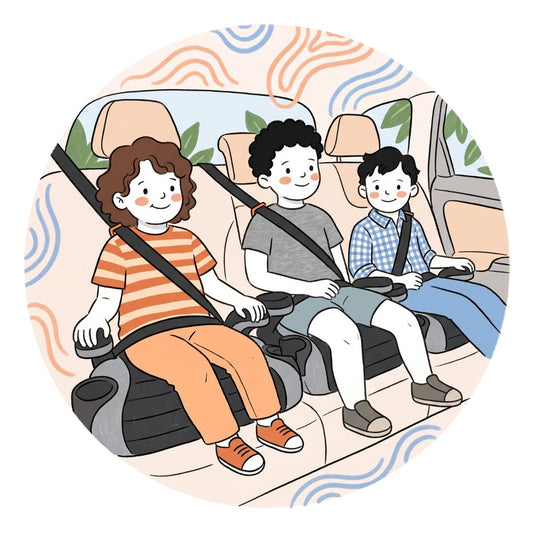
"Beta, we raised three children without all these fancy gadgets!" Sound familiar? If you're a new parent in India, you've probably heard this sentiment (or something similar) from well-meaning relatives who believe that modern baby gear is just an expensive marketing ploy.

But here's the thing – while our parents and grandparents did an amazing job raising us, today's world is different. We have different lifestyle demands, and thankfully, we have access to safety research that wasn't available generations ago. Yet somehow, myths about baby gear persist, leaving new parents confused about what they actually need versus what's just "nice to have."
This guide breaks down the most common baby gear myths, helping you distinguish between high-priced marketing and the simple, safe essentials your newborn actually needs.
What to Keep in Mind While Reading
Not every piece of traditional advice is wrong, and not every modern product is necessary. The key is understanding which concerns are valid and which are based on outdated information or marketing fears.
Trust evidence-based information while respecting the wisdom that comes from experience. Above all, always go along with what fits seamlessly into your life as a parent.

Busting Most Common Myths Around Baby Gear Products
Myth 1: Expensive Baby Gear is a Waste of Money
The Reality: While babies don't care about brand names, they definitely benefit from well-designed, safe, and comfortable products. A good quality baby gear provides:
-
Better safety standards and testing
-
Ergonomic designs that reduce parent strain
-
Durability that makes them cost-effective over time
-
Features that genuinely make parenting easier
Given the Indian climate, road conditions, and space constraints, investing in well-designed gear often saves money in the long term. A stroller that breaks after six months isn't cheaper than one that lasts three years.
So you should focus on value rather than price. Research which features actually matter for your lifestyle, and invest in quality for items you'll use daily.

Myth 2: Baby carriers and wraps make babies dependent and Clingy.
The Reality: Research consistently shows that babies who are carried more are actually more secure and independent as they grow.
The science behind it:
-
Carried babies cry less and sleep better
-
Close contact supports healthy brain development
-
Parents become more attuned to the baby's cues
-
Cultural traditions worldwide support babywearing
Indian families have traditionally carried babies, and modern ergonomic carriers make it more comfortable for parents while maintaining that important closeness.
Choose a carrier that's comfortable for you and appropriate for your baby's age. Start with short periods and gradually increase as you both get comfortable.
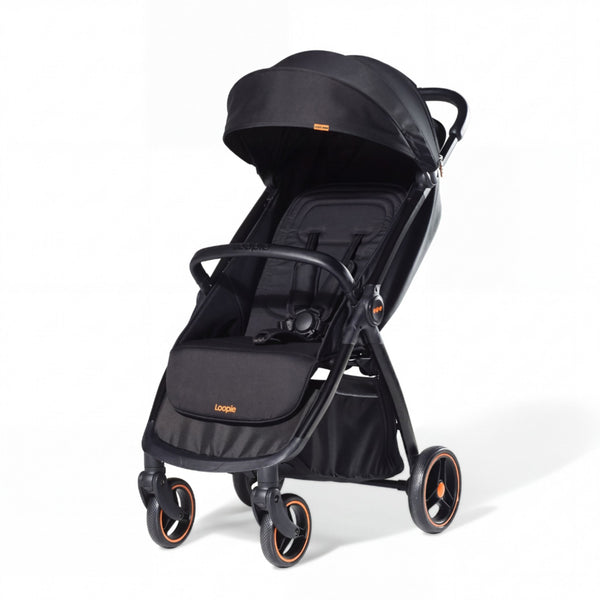
Myth 3: Strollers make parents lazy, and babies miss out on being held
The Reality: Strollers are tools that enable more outings and adventures, not replacements for parent-child bonding. This myth stems from the fact that previous generations often had more help from extended family and less need to be mobile with babies.
In modern times:
- Today's parents often manage the baby alone and need mobility solutions.
- Strollers enable longer outings that would be impossible to carry a baby
- They provide safe, contained spaces in crowded public areas.
- Good strollers can be used from birth through toddlerhood.
Use strollers as tools for exploration and independence, not substitutes for interaction. Talk to your baby, point out interesting sights, and pick them up for cuddles regularly.

Myth 4: Baby-Proofing Equipment is Unnecessary
The Reality: Baby-proofing isn't about replacing supervision – it's about creating multiple layers of safety.
Baby proofing is important because:
- Modern homes have more electrical devices and small objects
- Many parents don't have constant adult supervision available
- Today's babies are often more mobile earlier due to better nutrition
- We understand child development and safety risks better now
Many studies show proper baby-proofing significantly reduces injury rates, even in well-supervised homes. So combine careful supervision with age-appropriate safety measures. You don't need every gadget, but basic safety measures like outlet covers and cabinet locks are worthwhile investments.

Myth 5: Bottles and Pacifiers Will Ruin Breastfeeding
The Reality: When introduced appropriately and with quality products, bottles and pacifiers can support rather than sabotage breastfeeding goals. Using bottles and pacifiers helps with:
-
Timing matters more than the products themselves
-
Some babies need supplementation for medical reasons
-
Working mothers need pumping and bottle solutions
-
Pacifiers can reduce SIDS risk when used safely
For Indian families: Extended family support often means multiple caregivers, and bottles can enable that support while maintaining nutrition goals. Work with healthcare providers to determine what's right for your situation. Don't let fear-mongering prevent you from using tools that could help your family thrive.

Myth 6: Modern Baby Gear Makes Parents Overcautious and Anxious
The Reality: Good baby gear actually reduces anxiety by providing parents with reliable tools and safety measures. Some parents do become overwhelmed by choices, but that's different from the gear itself causing problems.
What actually causes anxiety:
- Information overload from too many conflicting sources.
- Social pressure to have "the best" of everything.
- Lack of confidence in decision-making.
So choose a gear that makes you feel more confident, not more worried.

Myth 7: Babies Need to Adjust to Adult Schedules
The Reality: Understanding infant sleep needs and using appropriate tools leads to better rest for the whole family. Babies' sleep patterns are developmentally normal, not behavioral choices that need to be trained out of immediately.
So create consistent, safe sleep environments that work for your family's schedule while respecting your baby's developmental needs.

Myth 8: You Need Everything on Baby Store Checklists
The Reality: Many baby store checklists are marketing tools, not necessity lists. The truth about what your baby needs is that babies need safety, nutrition, warmth, and love. Everything else is about making parenting more enjoyable. Additionally, your lifestyle determines which conveniences are worth buying.
Smart shopping approach:
- Start with absolute essentials
- Add items as you discover specific needs
- Borrow or buy used items you're unsure about
- Invest in quality for daily-use items

Myth 9: Traditional Methods are Always Safer than Modern Gear
The Reality: Both traditional wisdom and modern safety research have value, but they should complement, not compete with each other.
Where tradition wins:
- Time-tested practices like skin-to-skin contact
- Understanding of infant behaviour patterns
- Emphasis on family bonding and support
Where modern research helps:
- Understanding of SIDS prevention
- Car safety standards
- Toxic material identification
- Ergonomic design for parent health

What to do instead: Combine the best of both approaches. Use modern safety standards while embracing beneficial traditional practices.
Asking Real Questions About Baby Gear
If you are stuck thinking to wether you need a certain baby gear product, ask these questions:
- Does this solve a real problem I'm experiencing?
- Will this make my daily routine genuinely easier or safer?
- Can I afford this without financial stress?
- Do I have space to store and use this properly?
- Will this work with my family's lifestyle and values?
How to Tackle Conflicting Advice About Baby Gear
When advice conflicts, prioritize evidence-based sources like the Bureau of Indian Standards (bis.gov.in) for verified safety data. Consult your pediatrician to align gear choices with your baby’s specific needs.
While you should acknowledge a relative’s experience, maintain firm boundaries by sharing current safety standards. Ultimately, trust your instincts and your role as the final decision-maker. Different approaches work for different families, but your household's safety and specific circumstances should always come first.

How to Make the Right Choice About Baby Gear?
The best baby gear is designed to genuinely make life easier by addressing real problems in your daily routine. It should grow with your child whenever possible, offering long-term value while fitting seamlessly into your lifestyle as a parent.
Additionally, the gear must meet current safety standards to provide you with peace of mind and align with your family's values, ensuring it feels like a natural part of your parenting journey.
You don’t need to buy everything at once. Many items become useful as your baby grows and develops new needs. Start with the essentials: a safe sleep setup, feeding basics, diaper-changing essentials, and weather-appropriate clothing. Later, you can add entertainment items, advanced mobility gear, and activity products.
You can read our guide on how to choose baby gear

Frequently Asked Questions (FAQs)
How do I know which safety advice to follow when everyone gives different suggestions?
Prioritize advice from healthcare professionals and evidence-based sources like pediatric associations. When in doubt, err on the side of current safety guidelines rather than anecdotal experiences.
Is it okay to use second-hand baby gear?
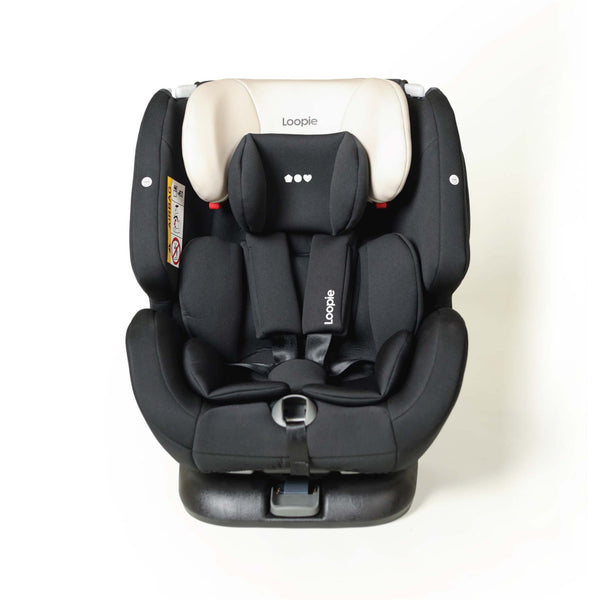
Some items are fine second-hand, many of the large baby gear items, like a crib, are often hand-me-downs from family members, while others should be bought new (car seats, crib mattresses). Check for recalls and ensure items meet current safety standards.
My family thinks I'm spending too much on baby gear. How do I handle this?
A: Focus the conversation on safety and functionality rather than cost. Explain that investing in quality gear often saves money long-term and reduces stress. This is exactly why we designed the Loopie Lap to be used right from birth to the age of 12.

How can I separate marketing hype from genuine usefulness?
Read reviews from actual parents, consult healthcare providers, and start with basic versions before upgrading. If a product solves a problem you didn't know you had, you probably don't need it.
Should I buy everything before the baby arrives?
Have essentials ready (sleep, feeding, diapers, clothes), but wait to see what gaps emerge in your routine before buying additional items. Every baby and family is different.
The Bottom Line on Baby Gear Myths
The goal isn't to have the most gear or the most expensive gear – it's to have the right gear for your family's specific needs and circumstances. Modern baby products aren't inherently good or bad; they're tools that can enhance your parenting experience when chosen thoughtfully.
Don't let myths and pressure rob you of confidence in your parenting decisions. Whether you choose traditional approaches, modern solutions, or a combination of both, what matters most is that your choices work for your family and prioritize your baby's safety and your own well-being.
Remember, every generation of parents has had to navigate new challenges and opportunities. Your job isn't to parent exactly like previous generations – it's to be the best parent you can be with the resources and knowledge available to you today. Trust yourself, make informed decisions, and don't let anyone shame you for choosing tools that make your parenting journey smoother and more enjoyable.