With rising awareness of child road safety, more and more new parents are opting for car seats for their little ones. Yet, many parents unknowingly make mistakes that can reduce the effectiveness of a baby car seat.
From the incorrect installation of the car seat to incorrect usage, these errors are far more common than you think. Whether you're a first-time parent or looking to upgrade your car seat, understanding these common baby car seat mistakes can help you make safer choices every time you travel.
From installation errors to daily use habits, this guide covers the five most common baby car seat mistakes Indian parents make and exactly how to correct each one before your next drive.

What to Keep in Mind
- Always check for safety certifications before purchasing a car seat.
- No secondhand baby car seats unless you personally know the product's full history.
- Keep the manual handy.
6 Most Common Baby Car Seat Mistakes and How to Avoid Them
Mistake 1: Car Seat Installation Mistake
Many parents install the car seat, tighten what feels like enough, and assume it is secure. But here is the real test — grab the seat at the base and try to rock it. If it moves more than 2 to 3 cm in any direction, it is not safely installed. On Indian roads, where potholes and sudden braking are everyday realities, a loose seat is a serious risk to your baby's head and neck.

How to fix it
First of all, check the ISOFIX indicators on both sides - they should be green, indicating secure attachment. If your car is not ISOFIX compatible, ensure that it is properly attached using your car's seat belt system. The seat belt should pass through the guides provided in the car seat and be buckled in properly.
Afterwards, grab the seat and give it a firm shake. It should barely move. Ensure that you do this check at least 2 times a week. Takes an extra 20 seconds, saves a lifetime.
Mistake 2: Safety Harness Is Too Loose
One of the most critical mistakes parents make with baby car seats is leaving the harness too loose or incorrectly positioning the straps. No matter how high-quality the infant car seat or convertible car seat is, it will not effectively protect your baby if the harness is not properly adjusted. It's a common tendency for parents to loosen the harness for comfort during longer drives, but this is a dangerous practice.
In the event of a sudden stop or crash, a loose harness can result in perilous movement, putting your child's safety at serious risk. Always ensure the harness is securely fastened.

How to fix it
The harness should sit snugly against your baby’s body, with no slack at the shoulders. After buckling, pinch the strap at the collarbone. If you can pinch any webbing, tighten more. It should feel snug, like a warm hug, but not a wrestling hold.
Mistake 3: Turning the Baby Car Seat Forward-Facing Too Early
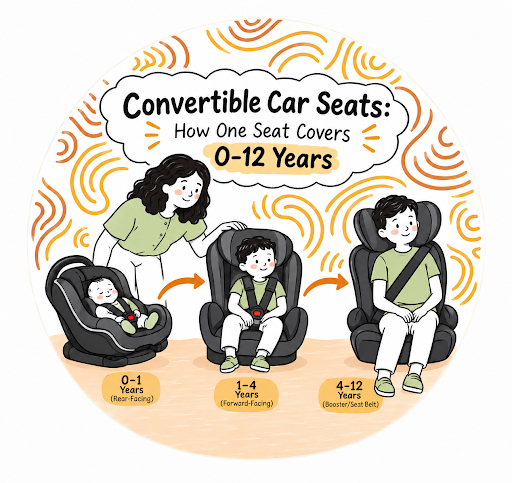
Another major baby car seat safety mistake is switching from rear-facing to forward-facing before a child is developmentally ready. Many parents make this change based on convenience or assumptions that their baby has “outgrown” rear-facing. In reality, the safest approach is to keep your child rear-facing for as long as your convertible car seat allows.

How to fix it
Check your car seat manual for exact guidelines on when to turn your child forward-facing. You should turn your baby forward-facing once they've outgrown the weight and height limits of the rear-facing position. This is usually at the age of 2.
Read our guide explaining the difference between rear-facing and forward-facing baby car seat
Mistake 4: Dressing Babies in Bulky Clothing Inside the Baby Car Seat
While it’s natural to want to keep your baby warm, especially during winter, bulky clothing is a common baby car seat safety mistake. Puffy jackets or thick sweaters can prevent the harness from fitting snugly against your baby’s body.

How to fix it
The safer alternative is to dress your baby in thin, snug layers and use blankets over the harness once your child is securely buckled in.
You can read our detailed guide on how to keep baby warm in car seat during winters.
Mistake 5: Not Having a Side Impact Protection
While frontal crashes are often discussed, side-impact collisions are extremely common, especially in city driving. Many parents overlook side-impact protection when choosing a baby car seat, focusing instead on aesthetics or portability. A baby’s head is especially vulnerable during side-impact crashes, making deep side wings, energy-absorbing foam, and reinforced shells crucial features.
How to fix it?
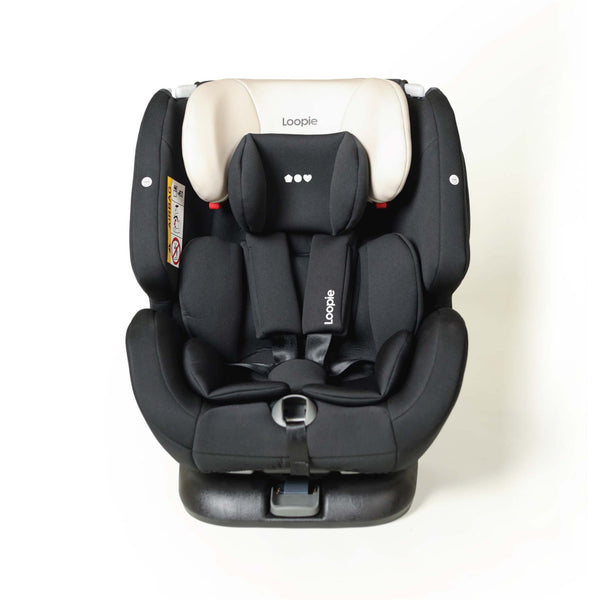
When selecting a baby car seat, always look beyond basic compliance and focus on design features that provide all-around protection, not just front-facing safety. Modern convertible car seats, such as the Loopie Lap Car Seat, incorporate advanced side-impact protection to help absorb crash forces and reduce injury risk.
Mistake 6: Assuming Short Trips Don’t Require Proper Car Seat Use
One of the most dangerous assumptions parents make is relaxing car seat rules for short or familiar journeys. Many accidents occur close to home, often during routine drives when parents are least prepared.

Even on a five-minute trip, a baby must be properly secured in a baby car seat with the harness correctly positioned. Holding a baby on your lap or loosely buckling them “just this once” significantly increases injury risk during sudden stops or collisions.
How to fix it
Consistent, correct use of an infant car seat or convertible car seat, no matter how short the journey, is one of the simplest ways to protect your child on the road.
How to Choose the Right Baby Car Seat and Avoid These Mistakes
Avoiding these common baby car seat mistakes starts with informed decision-making. Always choose a car seat that suits your child’s current stage, prioritise extended rear-facing, and ensure correct installation and harness use. Regularly reviewing your baby car seat’s fit and condition is just as important as choosing the right model in the first place.

Convertible car seats like the Loopie Lap offer long-term value by adapting to your child’s growth, while infant car seats provide specialised protection during the earliest months. Brands that design with real parenting needs in mind, such as ease of installation, comfort, and safety, can make daily travel safer and less stressful.
Frequently Asked Questions (FAQs)
1. How long should a baby use a rear-facing car seat?
Babies should remain in a rear-facing baby car seat for as long as possible, ideally until they reach the maximum height or weight limit of their convertible car seat, as it offers better head and neck protection. Compare rear-facing vs front facing car seats.
2. What is the difference between an infant car seat and a convertible car seat?
An infant car seat is designed for newborns and young babies only, while a convertible car seat can be used in rear-facing and later forward-facing modes as the child grows. You should read this guide on
3. How tight should the harness be on a baby car seat?
The harness should be snug with no slack and pass the pinch test. You shouldn’t be able to pinch excess strap at the shoulders, and the chest clip should sit at armpit level.
4. Can I use a second-hand baby car seat?
It’s not recommended unless you know the full history of the car seat, including that it has never been in an accident, is within its expiry date, and meets current safety standards.
5. Are baby car seats really necessary for short trips?
Yes. Most accidents happen close to home. A baby should always be secured properly in an infant or convertible car seat, even for very short journeys.

Safer Journeys Start with the Right Baby Car Seat Choices
Car seat safety isn’t just about buying the most expensive product; it’s about using the right baby car seat correctly, every single time. By avoiding these common baby car seat mistakes, parents can significantly reduce risks and travel with greater confidence.
Whether you’re choosing an infant car seat for your newborn or upgrading to a convertible car seat for your growing child, prioritising safety, fit, and proper usage makes all the difference.