Most parents shopping for a stroller do their due diligence. They check the brakes. They test the fold. They look up wheel type and canopy coverage. And then they pick a colour they like and call it done. What often gets skipped entirely is the one thing your baby is in direct contact with every single day: the fabric.
Stroller fabric isn't just a finishing detail. It's what your baby's skin rests against for hours — in the heat, through naps, across months and years of daily use. How to choose safe stroller fabric for your baby isn't a question most parents think to ask, but it's one worth asking early.
Not all fabric is made equal. Some carry chemical residues that have no business being near a newborn. Choosing non-toxic stroller fabric matters just as much as choosing a sturdy frame. The good news is that there's a globally trusted standard that takes the guesswork out of it: OEKO-TEX Standard 100. This guide will walk you through what it means, why it matters, and what to look for when you shop.

What to Keep in Mind
Fabric is what your baby actually lives in while they're in the stroller. In India, that means factoring in heat, humidity, dust, and long outdoor stretches in warm weather; all of which affect how fabric performs and how safe it stays over time.
Marketing terms like "hypoallergenic" or "non-toxic" sound reassuring, but they're unregulated and self-declared. Third-party certifications are what actually verify safety, and knowing which ones to trust makes all the difference.
Why Stroller Fabric Safety Matters More Than You Think
Your baby doesn't just sit in their stroller. They press their face into the seat’s back, chew on the harness straps, and nap with their cheek against the fabric for stretches that can last hours. Whatever that fabric contains, your baby is absorbing it — through skin contact, through inhalation, and sometimes through direct mouthing.
According to University Hospitals Rainbow Babies & Children's, toxins in children's textiles are a genuine concern precisely because of the frequency and closeness of contact. Chemicals reach babies through three pathways: skin absorption, inhalation, and ingestion over time. Babies have thinner skin than adults, a faster metabolism, and immune and hormonal systems that are still developing, which makes them significantly more sensitive to chemical exposure.
The structural safety of a stroller gets tested and regulated. Baby stroller fabric safety, far less so. That gap is worth paying attention to, especially in India's climate, where heat and humidity mean your baby is sweating against that fabric regularly, and enclosed canopies can trap both heat and any off-gassing from untreated synthetics.
Interested in reading about how you can ensure your baby's safety in a car seat as well? Read our blog on Ensuring Maximum Baby Car Seat Safety.

Harmful Chemicals in Stroller Fabric
The University Hospitals Rainbow Babies & Children's article on toxic textiles outlines the key chemicals parents should know about. Here's what they are and what they do:
Phthalates are used to make plastics flexible. In textiles, they act as endocrine disruptors — linked to abnormal hormone levels, thyroid problems, and male reproductive birth defects.
Flame retardants — specifically organophosphate flame retardants (OPFRs) are added to meet flammability standards. They're associated with reproductive problems, developmental delays, and nervous system damage in toddlers.
Formaldehyde is applied as a fabric finish to resist wrinkles and staining. It's classified as a carcinogen and a known cause of skin irritation and respiratory issues.
PFAS (per- and polyfluoroalkyl substances) are used in water-resistant and stain-repellent fabric coatings. Known as "forever chemicals," they persist in the body and environment and are linked to immune suppression, liver damage, and certain cancers.
Azo dyes give fabric its colour. Some break down into aromatic amines — chemicals associated with skin irritation and increased bladder cancer risk.
Heavy metals such as lead, chromium, and cobalt are found in certain dyes and finishes and are linked to organ damage and skin reactions.
Polyester deserves a specific mention. A peer-reviewed 2021 study published in Regulatory Toxicology and Pharmacology found that polyester fabric contains antimony; think of it as a toxic byproduct left over from the manufacturing process at concentrations of 125–470 µg/g.
The study confirmed that it is released through sweat. For a baby spending hours against polyester stroller fabric, that's real, repeated exposure. So is polyester safe for baby strollers? Based on current evidence, it's a material worth avoiding.
Recycled PET carries its own concerns. Research has detected over 280 different chemicals in recycled polyester, including organophosphate esters and elevated BPA concentrations.
Colour fastness matters too. If dyes bleed when wet or mouthed, that's not just a laundry problem; it's a safety one.
None of these chemicals is listed on product tags. That's exactly why certification matters.

OEKO-TEX Standard 100 — What It Is and Why It's the Gold Standard
OEKO-TEX Standard 100 is an independent, globally recognised testing and certification system for textiles at every stage of production. It was established in 1992 and now covers several hundred harmful substances, with test criteria updated annually to reflect current science.
Certification is carried out exclusively by authorised OEKO-TEX member institutes. Hohenstein India is a founding member and one of the most established testing institutes in the world.
What makes it genuinely rigorous:
Every single component of a product must pass — not just the outer fabric, but the lining, threads, dyes, finishes, prints, and non-textile accessories like buckles and zips. One failing component means the product cannot carry the label. There's no averaging out.
Limit values go significantly beyond national and international legal minimums. Being legally compliant is not the same as being OEKO-TEX certified.
Certificates are valid for 12 months and must be renewed annually. OEKO-TEX testing institutes conduct control tests on at least 25% of all issued certificates each year — including purchasing certified products from retailers at random and retesting them in the lab. Unannounced site inspections add another layer of accountability.
How to verify an OEKO-TEX certificate: Look for the label with a test number and the name of the testing institute. You can check validity directly at oeko-tex.com/label-check. Once a certificate expires, the label must be removed from products within two months.

Product Class I — Why Babies Need the Strictest Certification
OEKO-TEX Standard 100 divides certified products into four classes based on the intensity of skin contact and the user's sensitivity. The principle, as stated in the OEKO-TEX FAQ, is straightforward: the more intensive the skin contact and the more sensitive the skin, the stricter the requirements.
-
Product Class I — babies and toddlers up to 3 years. The most stringent tier.
-
Product Class II — textiles in regular skin contact (underwear, bed linen, shirts).
-
Product Class III — limited skin contact (jackets, coats).
-
Product Class IV — decorative furnishing materials.
For stroller fabric, Product Class I is the relevant standard. Here's what it specifically requires:
Formaldehyde finishes are excluded entirely. Colours and prints must pass saliva resistance testing — meaning they're tested against synthetic saliva to ensure they won't bleed when a baby sucks or chews on the fabric. The full test battery covers banned azo dyes, carcinogenic colourants, pesticides, phthalates, PFOS and PFOA, formaldehyde, extractable heavy metals, VOCs, colour fastness with perspiration, and odour.
For stroller fabric specifically, this matters because the contact is intense, prolonged, and daily. Baby's mouth fabric. They sweat against it. Their immune and hormonal systems are at their most vulnerable in the first three years of life, which is exactly the window Product Class I is designed to protect.
Want to dive deeper into various kinds of safety certifications that are available for baby products in the market? Read our blog: Baby Product Safety Certifications Every Indian Parent Should Know.

Best Fabrics for Indian Parents
Not all safe fabrics are equally practical for India's climate. Breathable stroller fabric matters more here than in most places — Indian summers are long, humidity is high, and a closed stroller canopy traps heat quickly. Here's what works well and what to avoid:
Recommended materials:
Cotton is the most recommended choice — breathable, soft, and widely available. It handles heat well and is gentle on sensitive skin.
Muslin is loosely woven cotton, exceptionally light and breathable. Ideal for summer months.
Mesh offers maximum air circulation and is particularly useful in hot weather for reducing overheating risk.
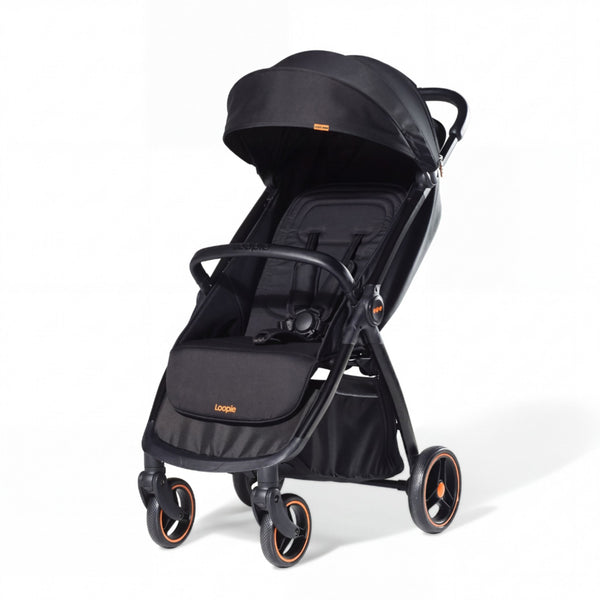
Oxford Cotton is a tightly woven cotton fabric — durable, breathable, and a strong choice for stroller outer coverings. Breathable cotton stroller fabric like Oxford holds up well to daily use and handles India's varied weather without trapping heat. It's also a fabric you'll find on the Loopie Hop.
Chemical-free finished fabrics — Look for fabrics without flame retardant treatments or chemical coatings.
Materials to avoid:
Polyester — Non-toxic stroller materials start with avoiding polyester. It contains antimony that is released through contact with sweat, as confirmed by peer-reviewed research we discussed above.
Recycled PET carries a significant chemical load despite its eco-friendly positioning.
PFAS-coated fabrics — water and stain resistance often come at the cost of "forever chemical" exposure. Look for C-0 or PFC-free DWR coatings instead.
Flame-retardant-treated synthetics — linked to developmental and reproductive problems per UH Rainbow Babies & Children's.

How Loopie Hop Approaches Fabric Safety
When we were building the Hop, fabric safety wasn't an afterthought. It was one of the first conversations, because a baby spends hours against that fabric every single day, and understanding that fabric helped us gain the strictest standard available.
The Fabric Choice
The Hop uses Oxford Cotton — not because it's a premium-sounding material, but because it's genuinely well-suited to how Indian parents use a stroller. It's tightly woven yet breathable — air moves through it enough to keep heat from building up against your baby's skin during long outdoor stretches.
It holds its structure through daily use and doesn't pill over time. That consistency matters so that the fabric your baby uses on day one should feel and perform the same way two years later.
The Certification
The Hop carries OEKO-TEX Standard 100 Product Class I certification — the tier designed specifically for babies under three. That means the fabric has been independently tested against 1,000+ harmful substances: no formaldehyde, no banned dyes, no phthalates, no PFAS, no extractable heavy metals.
Saliva-resistance testing is part of it too, which means the fabric has been specifically tested for what babies actually do, i.e., chew on things.
It's hypoallergenic, which matters for babies with sensitive skin. And the certification is publicly verifiable — you can check it at oeko-tex.com/label-check using the certificate number on the product.
The Practical Bit
The fabric is fully removable in one go and machine and hand-washable. In India, where dust, humidity, and the occasional monsoon are just part of daily life, that's not a bonus feature; it’s a necessary one. A stroller fabric you can actually clean stays safe over time.

Stroller Fabric Red Flags to Keep in Mind While Shopping
These are the warning signs worth knowing before you buy:
C-6 DWR coatings — a common water-repellent treatment that contains PFAS. Look for C-0 or PFC-free alternatives instead.
No certification label with a test number and institute name — a genuine OEKO-TEX label always includes both. Without them, the label means nothing.
Expired certificates — OEKO-TEX certificates are valid for 12 months. Labels must be removed within two months of expiry. Always check.
Self-declared "non-toxic" — this term is unregulated. It requires no testing, no verification, and no accountability. Don’t decide without verifying.
"Hypoallergenic" without certification — as noted by University Hospitals, this label does not guarantee the absence of harmful chemicals.
"Certified Safe" without specifying by whom — always ask which certification, which class, and which institute.
Stroller Fabric Cleaning Tips
Good fabric stays in good condition with the right care. In India's humidity, this matters more than most cleaning guides acknowledge — mould prevention in humid weather starts with how you dry and store the stroller, not just how you wash it.
Follow the brand's cleaning instructions first — they know the fabric. Spot and clean stains early rather than letting them set. Avoid harsh chemicals unless your brand explicitly says they're safe for the fabric.
Air dry completely before reattaching the fabric to the stroller frame. Even slightly damp fabric folds are enough to trigger mould growth over time. Avoid drying in direct sunlight, which can fade colour and weaken fibres. Vacuum regularly to clear dust and debris, and always make sure the fabric is fully dry before folding the stroller for storage.
Well-maintained stroller fabric can last through years of use and more than one child.
FAQ: Parents’ Most Asked Questions on Stroller Fabric
Is OEKO-TEX-certified fabric safe for babies who suck or chew on it?
Product Class I specifically requires colour fastness against synthetic saliva — fabrics are tested to ensure colours and prints won't bleed when mouthed. It's one of the few standards that test for this directly.
How do I verify that an OEKO-TEX certificate is real?
Check the label for a test number and the name of the testing institute. Enter the certificate number at oeko-tex.com/label-check to confirm it's valid and current.
Is OEKO-TEX worth the extra cost?
For baby articles with intense daily skin contact, Product Class I tests against 1,000+ harmful substances at limits stricter than legal requirements. It's the most independently verified safety standard available for textiles.
What's the difference between OEKO-TEX and "hypoallergenic"?
OEKO-TEX is third-party certified with specific substance testing. "Hypoallergenic" is typically self-declared with no independent verification done behind it.
Does OEKO-TEX prevent mould in humidity?
Certification doesn't prevent mould — proper care does. Choose breathable fabrics that dry quickly, and always ensure the fabric is completely dry before folding the stroller for storage.
What is the safest stroller fabric for babies with sensitive skin?
OEKO-TEX Product Class I certified fabric is the most reliable choice — it excludes formaldehyde, banned dyes, phthalates, PFAS, and heavy metals, the chemicals most commonly linked to skin irritation and allergic response.
Is polyester safe for baby strollers?
Based on current research, polyester is best avoided for stroller fabric. A 2021 peer-reviewed study confirmed that polyester releases antimony through sweat contact — a direct exposure route for babies in prolonged skin contact.
Will the fabric overheat my baby in Indian summers?
Look for breathable materials like Oxford cotton or mesh, combined with OEKO-TEX certification to ensure no chemical treatments that could compound heat sensitivity.
Is it easy to clean?
Look for fabric that's fully removable and machine-washable. The Hop's Oxford cotton fabric detaches in one go and is both machine and hand wash compatible.
To Safe & Adventurous Strolls!
A stroller is one of the most-used pieces of baby gear you'll own. The frame carries your baby. The fabric holds them.
Structural safety gets a lot of attention. But safe stroller fabric in India deserves equal consideration. What your baby is sitting against daily, napping in, pressing their face into — that fabric's chemical composition matters as much as any other safety feature.
The clearest path through the noise: look for OEKO-TEX Standard 100 Product Class I. It's independently tested, annually updated, and the strictest certification for textiles that come into contact with babies under three. Pair that with breathable, washable natural fabrics that hold up to India's heat and humidity, and you've covered what matters most.
Choose certified. Choose breathable. Choose fabric you can actually trust.