Separation anxiety in babies is that wave of tears the moment you step out of the room, even if you're only headed to the kitchen. It's one of the clearest signs your baby knows exactly who you are and trusts you completely, not a setback or something you've done wrong.
This guide covers when separation anxiety in babies typically starts and peaks, the signs to expect, what makes it worse, and what actually helps, drawing on both pediatric guidance and real parents navigating it day to day. It also looks at what this phase tends to look like in Indian households with multiple caregivers, and how to make handoffs between them smoother.

What to Keep in Mind
Separation anxiety is a normal phase for babies, not a reflection of anything you're doing wrong. It usually peaks somewhere in the second year and eases with time. Babies are fully capable of loving and trusting more than one caregiver, even if they cry at handoffs in the beginning. And the way you say goodbye matters more than getting it perfect every single time.
If the anxiety feels extreme, doesn't ease over time, or starts affecting sleep, eating, or daily routines, that's worth a conversation with your pediatrician. Not because something's necessarily wrong, but because it's always worth checking in when something feels off.
Difference Between Separation and Stranger Anxiety
At its core, separation anxiety is distress at being away from a primary caregiver. It is a completely typical part of development, closely tied to a baby learning that people and objects continue to exist even when out of sight.
That's different from stranger anxiety, which is wariness around unfamiliar faces rather than distress at a caregiver leaving. MSD Manuals' clinical overview of separation and stranger anxiety explains that the two often show up around the same age and can look similar from the outside, but they come from different places. One is about missing someone specific. The other is about caution around someone new.

When Does Separation Anxiety Start and When Does it End
For most babies, separation anxiety symptoms begin somewhere between 6 and 9 months, according to Pampers India's guide to baby separation anxiety, with the separation anxiety peak age typically falling between 10 and 18 months. It tends to ease by the time a child is 2 to 3 years old, per MSD Manuals' pediatric reference.
That range holds up in real homes too, though not always on a fixed schedule. Rini Goel, Marketing Head at Loopie, noticed the shift in her son closer to the 15-month mark. "Around 15 months, my child started to realise if I wasn't there, he needed mumma more," she shares. "There was a time when my husband used to play with my child, but then he started to learn to differentiate between our presence as well." It's a good reminder that the textbook window is wide for a reason. Babies don't read the timeline before deciding when to feel it.
Here's the part that often surprises parents: this isn't a phase with a hard stop. It doesn't vanish forever after 18 months. It tends to resurface at other big transitions, a new sibling arriving, a first solo flight or long train journey, moving to a new room, or starting school years down the line.
Thinking of it less as a stage to survive and more as a pattern that shows up around change can make the next round feel far less alarming when it arrives.
Separation Anxiety Signs You Might Notice
Common signs of separation anxiety in babies include crying at handoffs, clinginess in new situations, and a general reluctance to be put down. Some babies also show separation anxiety night waking, needing a parent nearby to settle back to sleep, as noted by Medical News Today.
If nights have gotten harder and you're rethinking your sleep setup as a result, our guide on co-sleeping with a baby walks through what's considered safe if you're weighing that option during this phase.

What Triggers or Worsens Separation Anxiety
A few things tend to make separation anxiety more noticeable:
Developmental leaps
Around this age, babies are learning that people continue to exist even out of sight, but they don't yet have a sense of time, so "back soon" doesn't mean much to them yet. New mobility, like crawling or walking, also means babies can now follow you, which makes separation feel more real.
Changes in routine
Starting daycare, a new nanny, travel, or big family gatherings can all bring it to the surface. If daycare is on the horizon, our guide to finding the right daycare for your baby covers how to ease that transition smoothly.
How the adults around the baby respond
NHS guidance on separation anxiety points out that a hesitant or anxious goodbye can make things harder, and sneaking away without saying goodbye tends to backfire, since it teaches a baby that a parent might vanish without warning.
Miscommunication between caregivers can complicate things too, in ways research doesn't always capture. Rini recalls an early stretch where the well-meaning adults around her weren't reading the situation the same way she was. "As per family, every cry was for hunger, so initially it was very confusing and overwhelming. But as we got a better handle on things, we started to understand what the baby needs at that moment."
Practical Things That Help Your Baby
None of this requires anything complicated. Small, consistent habits tend to do the most.
Practice short separations at home
Step into another room for a minute, then come back. Healthychildren.org, from the American Academy of Pediatrics, recommends building this up gradually so a baby learns that a parent leaving always means a parent returning.
Peek-a-boo works harder than it looks
It's a low-stakes way of teaching "I disappear, then I come back," which is the exact lesson separation anxiety is built around.

Comfort objects for baby separation anxiety help
NHS suggests something familiar, a soft toy, a worn scarf, anything that smells and feels like home, can ease a handoff considerably.
Consistent goodbyes for separation anxiety matter
Keep them short, warm, and clear, according to Huggies UK's guide on easing separation anxiety. Never sneak out.
Rini's own approach leans on something simple: distraction paired with a change of scenery. "My solution is to distract the baby and change the environment," she says.
She also points to one thing she wishes every caregiver knew instinctively: skip the phone screen as a soothing tool. "That they don't have to use the phone screen to comfort my son," she notes, recalling a handoff that went sideways specifically because a caregiver panicked and reached for a screen instead of sitting with the discomfort.
Other parents online describe similar instincts. One parent, reflecting on their now six-year-old's early clinginess, put it simply: babies fear what's different, but nothing becomes familiar without going through a stretch of being unfamiliar first.
Another parent made a related point about not over-shielding: children learn emotional regulation and self-soothing by getting small, safe chances to practice being apart, not by never being given the opportunity at all. These are personal reflections rather than clinical guidance, but they resonate with what the research points to as well.
When to Loop In a Pediatrician
Most separation anxiety resolves with time and doesn't need intervention. That said, it's worth checking in with a pediatrician if the anxiety is intense, doesn't ease as your child gets older, or starts interfering with sleep, eating, or daycare participation, according to Mindtalk.
Panic-like reactions or repeated refusal to attend daycare are also worth flagging, per Mayo Clinic's overview of separation anxiety disorder.

Managing Separation Anxiety in Indian Households
Separation anxiety in joint families and multi-caregiver homes often plays out a little differently than the standard advice assumes, mostly because there are simply more people in the rotation. A baby might move between a mother, grandparents, and a nanny across a single day, which means more handoffs, more transitions, and more chances for signals to get crossed.
Rini's household is a good example of how this usually works: the day-to-day caregiving order is nanny, then Rini, then grandparents, though during this current stretch of separation anxiety, it's predominantly her. That kind of shifting balance is common, and it isn't a problem to solve. It's simply how caregiving works in a lot of Indian homes, and babies can absolutely thrive on it when the transitions are smooth.
The harder part, honestly, tends to be the guilt. Rini describes what it feels like to leave for work each day: "When I come to work, it's a bit hard to explain to my child why their mama isn't there. And every time I leave, he starts crying inconsolably." She's quick to add that her family has been supportive throughout, even if there have been moments, like a call from home during a rough patch, that made the distance feel heavier.
That mix of support and worry is familiar to a lot of working parents, and it doesn't mean anything has gone wrong. It means she's a parent who cares, navigating something genuinely hard.
If a nanny is part of your household's rotation, our guide on finding a reliable nanny in India covers what to look for when bringing someone new into that mix.

A Simple Handoff Note Between Caregivers
One thing that helps enormously in multi-caregiver homes: getting everyone on the same page about what actually works for your baby, rather than leaving each caregiver to figure it out separately.
A one-page note, shared between whoever's caring for your baby that day, doesn't need to be complicated. Rini's version, if she wrote one for a new caregiver, would include the specifics that make her son who he is: he loves to play and talk, needs to be engaged smartly, loves reading books and looking at pictures, and has a particular fondness for his toy concrete mixer and excavator.
That kind of detail is what turns a generic handoff into one that actually settles a baby, because the new caregiver isn't guessing. They already know what works.
Small Things That Make Big Difference
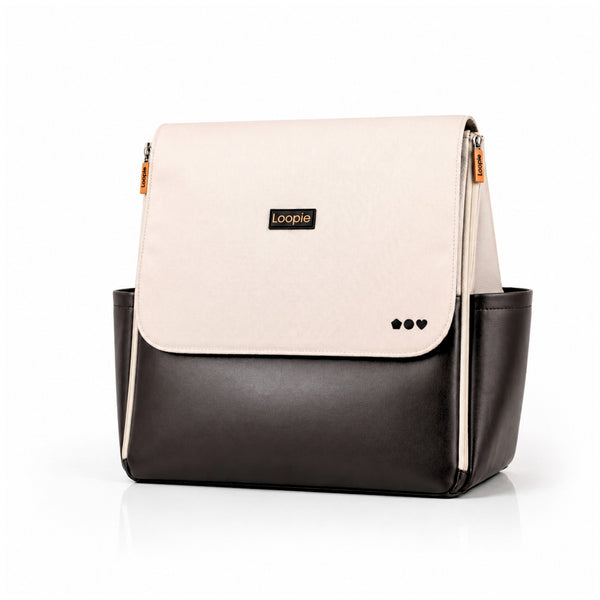
A few small, familiar things can support the routines that already help. A comfort object that smells like home, tucked into a diaper bag your baby already recognizes, or a consistent nap setup that looks and feels the same wherever you are, can make handoffs feel a little less jarring.
It isn't about buying your way past a phase. It's about giving your baby's routine a bit of continuity while everyone, baby included, settles into it together.
FAQs: Most Asked Questions on Separation Anxiety
Is separation anxiety normal in babies?
Yes. It's one of the clearest signs of healthy attachment and typically shows up between 6 and 18 months, easing with time.
How long does baby separation anxiety last?
It usually peaks between 10 and 18 months and eases by age 2 to 3, though it can resurface briefly around big transitions later on.
What's the difference between separation anxiety and stranger anxiety?
Separation anxiety is distress at a caregiver leaving. Stranger anxiety is wariness around unfamiliar people. They often overlap in timing but aren't the same thing.
Why does my baby cry only when I leave, but settle fine with others?
This is common and simply means your baby has a strong primary attachment. It isn't rejection of other caregivers, just a clear preference.
How can I ease separation anxiety at daycare drop-off?
Keep goodbyes short and warm, bring a familiar comfort object, and avoid sneaking away. Most babies settle within minutes of a parent leaving.
When should I worry about separation anxiety in toddlers?
If it's intense, doesn't improve with age, or interferes with sleep, eating, or daily activities, a conversation with your pediatrician is a good next step.
Beyond the Days of Separation Anxiety!
Separation anxiety in babies is uncomfortable in the moment and completely normal in the bigger picture. It shows up on its own timeline, tends to resurface at life's bigger transitions, and responds well to small, consistent habits: short practice separations, warm goodbyes, and a familiar comfort object nearby.
In homes with multiple caregivers, a little shared information goes a long way toward making every handoff smoother. And on the harder days, the guilt that comes with leaving is worth naming rather than carrying quietly. It's simply part of loving someone who's still learning that you'll always come back.