A road trip with your baby doesn't have to be overwhelming. With the right preparation, it can be one of the most enjoyable and convenient ways to travel as a new family. Whether it's a small family visit or a longer out-of-station trip, this guide will teach you how to make a successful road trip with your infant.
In this parenting guide, yoy will learn everything about going on a road trip with your baby. We have explained when it's safe to take a newborn on the road, what to pack, the best time to leave, and how to manage a baby during a road trip.

Should You Go on a Road Trip with a Child?
Yes, you can absolutely take your baby on a road trip in your car. Road trips are actually considered the safest mode of travel for newborn babies, as parents have control over the environment, entirely avoiding exposing their baby to crowded, germ-heavy spaces like airports and airplane cabins.
That said, you need to be cautious about various things if you want to have a safe, stress-free road trip with your baby. Consult a pediatrician first before you plan the road trip with your baby.
What is the Right Age to Take a Baby on Road Trip?
The ideal age to start longer road trips is between 3 and 6 months, as this allows a baby’s immune system to develop more fully and aligns with more predictable sleep patterns. While short drives of one to two hours are generally fine for healthy, full-term infants in the first six weeks, pediatricians typically suggest waiting until at least six weeks for longer travel.
After three months, journeys become more manageable, though any age can be successful with frequent breaks and careful planning to avoid crowded rest stops during the early weeks.
Berkshire Hathaway Travel Protection also suggests that 3-6 months is the sweet spot for long road trips for babies in India.
What to Pack for the Road Trip with Baby
Pack 1.5x diapers you think you'll need, wet wipes, and a foldable changing mat. Bring three outfit changes per day for the baby and two for yourself. Include a thermos with hot water, pre-measured formula, and an insulated cooler for breast milk.
Carry a first-aid kit with fever reducers, a thermometer, and your pediatrician's contact details. Don't forget your baby's car seat, sunshades, backseat organizer, and favourite comfort blanket. Pack entertainment toys, a white noise app, and vaccination records.
Store diapers and essentials in an easily accessible bag near the front seat, with backup supplies in the trunk. Organize by category—feeding items together, hygiene together—so you're not searching mid-journey. Keep a phone charger and plastic bags handy for soiled clothes and trash.
15 Tips for a Smooth Road Trip with an Infant
1. Feed Your Baby Before Starting the Drive
A well-fed, satisfied baby settles into sleep quickly once the car starts moving. Plan departure 20–30 minutes after a full feed to maximize peaceful nap time during initial highway stretches.

2. Never Breastfeed or Bottle Feed While the Car Is Moving
Always pull over completely to a safe spot before feeding. Your baby needs stability and comfort. A nursing cover over a reclined front passenger seat provides privacy and safety for roadside feeding.
3. Change Diapers Only at Complete Rest Stops
Use foldable changing mats at petrol pump restrooms, roadside facilities, or your car boot. Changing diapers in a moving vehicle risks both baby safety and comfort during bumpy roads.
4. Stop Every 2 Hours, Even If Baby Is Sleeping
Extended car seat time restricts airflow, reduces circulation, and strains a baby's developing neck. Regular breaks let your baby move, feed, and reset their comfort even on long highway drives.
5. Maintain Cabin Temperature Between 24–26°C
Keep your car cool but not cold. Never point AC vents directly at the baby. Check their skin temperature at every stop for signs of overheating—flushed cheeks, unusual fussiness, or visible sweating.
6. Watch for Overheating
Babies in rear-facing seats can overheat without parents noticing immediately. Sweating, flushed skin, excessive fussiness, and lethargy are early warning signs requiring immediate stops to cool down your child.
7. Pre-Measure Formula & Carry Hot Water in a Thermos
Prepare formula portions in individual containers before leaving home. A thermos flask keeps hot water ready for roadside feeding without depending on highway rest stop facilities or uncertain water quality.

8. Have a Co-Passenger Sit in the Back with Your Baby
A second adult in the backseat provides reassurance, handles mid-journey needs, and keeps the driver fully focused on road safety. This reduces distractions and improves overall travel security significantly.
9. Use White Noise or Familiar Lullabies to Settle Baby
The car engine already provides natural white noise. Supplementing with a white noise app or portable speaker—or playing familiar nursery rhymes and lullabies—settles fussy infants faster on long stretches.
10. Rotate Toys One at a Time Instead of All at Once
Introduce toys gradually rather than overwhelming your baby with everything together. Novelty keeps babies engaged longer. A mix of familiar favourites plus one or two new items works best on long drives.
11. Research Petrol Pumps & Rest Areas in Advance
Facility quality varies dramatically across Indian highways. Indian Oil HP pumps on NH48, NH44, and NH8 typically have cleaner restrooms and food courts. Map baby-friendly stops before your journey begins.
12. Choose Routes with Baby-Friendly Pit Stops
Chennai-Pondicherry and Bangalore-Mysore routes have excellent facilities. Mountain roads to Manali, Coorg, or Ooty have limited options—prepare accordingly with extra supplies and portable changing stations.
13. Know When Baby Needs Immediate Medical Attention
Stop immediately if the baby shows extreme difficulty breathing, severe dehydration (sunken eyes, no tears), fever above 101°F with lethargy, persistent vomiting, or uncontrollable screaming with pain signs during the drive.
14. Identify Hospitals on Your Route Before Departure
Research and note nearby hospitals along your planned route. Carry your baby's vaccination records, allergies, and your pediatrician's contact details. This preparation ensures quick help if travel-related illness occurs.
15. Plan Departure Timing Around Your Baby's Natural Sleep Window
Early morning (5–6 AM) offers cooler temperatures, lighter traffic, and alignment with natural baby sleep patterns. Avoid midday (12–3 PM) summer heat and late evening "witching hour" fussiness. Timing matters.

Top Safety Tips For Baby Car Trips
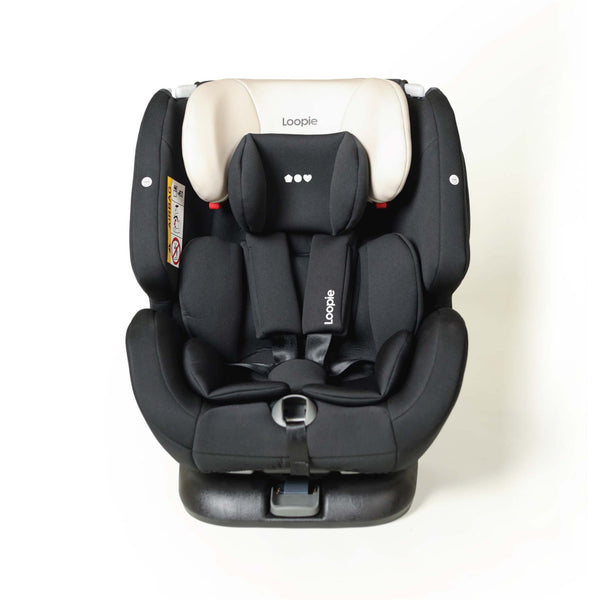
Secure your baby in a rear-facing car seat in the back seat to provide the best protection for their developing head, neck, and spine.
Every single time you buckle up, ensure the straps are snug and the chest clip is level with the baby’s armpits to prevent movement during sudden stops.
Avoid chin-to-chest positioning, which can restrict a baby's breathing; ensure the car seat is at the correct recline angle to keep their airway open.
Even for a quick stop, never leave an infant in a parked car, as cabin temperatures in India can reach life-threatening levels within minutes.
Use baby-safe sunscreen on exposed skin and use window shades to block direct sunlight and prevent overheating during long daytime hauls.
Keep your pediatrician’s contact and a copy of the baby’s vaccination records in the glove box for quick access during emergencies on remote routes.

When to Immediately Halt the Road Trip?
Fever 100.4°F or higher in babies under 3 months
Difficulty breathing or blue lips/face
Baby won't wake up or is not responding
Stiff neck or can't bend head forward
Febrile seizure lasting over 15 minutes
Body temperature above 105°F (heatstroke)
Baby won't eat for 4+ hours, vomits everything, or shows signs of severe dehydration
Frequently Asked Questions (FAQs)
How long can a baby stay in a car seat?
Limit to 2 hours for younger infants before a pause; up to 3 hours for older babies, with breaks in between.
Can my baby sleep in the car seat during a road trip?
Yes, but only while the car is moving. Once parked, move the baby to a flat, safe sleep surface immediately. Car seats are not designed for prolonged sleep when stationary, as the inclined position can cause a baby's head to slump forward, restricting airflow.
What is the Best age for a first baby road trip?
Many parents find 3–6 months easier due to more predictable naps and feeds.
What if my baby gets car sick during a road trip?
Babies under 2 years rarely experience motion sickness the way older children do. However, if the baby seems excessively fussy or vomits frequently, pull over, give them fresh air, and offer a feed. Consult your pediatrician about whether any preventive measures are appropriate for your baby's age
Day or night driving- Which is best when travelling with a baby?
Daytime is safer for spotting road conditions when making stops. Night drives may work for solid sleepers if the driver is well-rested.
How to keep the baby cool or warm?
Use layers, window shades, and climate control if your car has one. Remember, avoid thick clothes under the 5-point harness.
Do I need special gear?
Beyond your baby travel essentials, safe car seat, diaper bag, spare clothes, feeding supplies, toys, and stroller, you don’t need much. A structured diaper backpack helps keep the front-seat kit tidy.
Summing Up!!
Road trips with a baby are less about perfection and more about preparation. The truth is, no trip will go exactly to plan. There will be an unexpected stop, a fussy stretch, or a diaper situation you didn't anticipate. But that's part of the adventure, every one of those moments becomes a story you'll laugh about later.
What makes the difference is going in prepared. The right car seat installed correctly, feeds timed smartly, stops planned, and a bag packed with everything you actually need. Indian highways have become significantly more travel-friendly over the last decade. With a little research on your specific route, a comfortable, safe road trip with your baby is absolutely within reach.
Start small if you're nervous. A 2–3 hour drive to a familiar destination is a great first trip to build your confidence and learn your baby's travel rhythm. The longer journeys will follow naturally. Thousands of Indian parents hit the road with their babies every weekend, and most of them will tell you the same thing: it gets easier every single time.