Our pets can be just as affectionate toward our loved ones as we are. So when the time comes to welcome your baby into the world, you may wonder how to keep everyone safe and happy, without neglecting anyone.

In many homes across the country, pets are family. They sleep on our sofas, follow us into the kitchen, and somehow always know when we're not feeling well. But when a baby enters the picture, the dynamic shifts. Shared spaces, the added layer of monsoon season, humidity, wet paws, mold-prone corners - all these factors can mean a little preparation will do you good.
Pet-proofing isn't about keeping your pet at arm's length. It's about setting up your home so both your baby and your furball can genuinely thrive together.
This guide covers practical, affordable steps - no medical advice, just real-life tips. Always check with your vet or pediatrician for health-specific concerns.

Who Should Read this
-
New parents in India who are welcoming (or already have) a newborn while sharing their home with dogs or cats.
-
Families living in typical urban setups: compact 1BHK or 2BHK apartments, high-rise flats with open balconies or terraces, or homes with open layouts.
-
Parents dealing with everyday Indian home realities: small shared spaces, no separate “pet-only” zones, and the seasonal shift when monsoons make floors slippery and humidity sticks pet hair/dander everywhere.
-
Moms and dads who want practical, budget-friendly ways to keep both baby and furry family members safe and happy.
-
Anyone worried about common concerns like pet allergies for the newborn, hygiene during humid months, or how to manage playful paws around a crawling baby, without needing renovations.

What to Keep in Mind
Before diving in, a few gentle reminders. Most of what you'll need is easily available on Amazon India, Flipkart, or your local store options work just fine.
Note: This guide isn't a substitute for veterinary or paediatric advice; for pet safety, the ASPCA's toxic plant list is a trusted resource, and your doctor is always the right call for your baby's health. And through it all, be it humidity, monsoon mud, and everything in between - supervision is the one thing no product can replace.
Introducing Your Pet to Your Newborn: A New Beginning
Welcoming a baby is exciting for the whole family, including your furry members! With thoughtful preparation in advance, most pets adjust beautifully and even become good protectors. Extra care helps everyone stay safe and happy. Always supervise closely. Never leave pets and babies alone together.
How to prepare your pet before baby arrives
Start early (months ahead) to ease the transition. Gradually change routines like shorter walks or less attention, so it's not sudden. Play baby sounds (crying, cooing) softly at home, use baby lotions/powders so your pet gets familiar with new scents, and let them sniff nursery items. This builds positive associations and reduces stress when the real baby arrives.
Help your pet get used to baby sounds, smells, and gear
Introduce baby equipment early - strollers, toys so curiosity fades. In small spaces, let your pet explore safely while supervised. Reward calm behavior with treats or praise. This prepares them for the real thing without being overwhelmed.

Safest way to introduce your pet to the newborn
Bring the baby home first; let the pet sniff a blanket with the baby's scent outside or in another room. Then, hold the baby securely while the pet approaches on a leash (for dogs) or at a distance (for cats). Keep it short (a few minutes), positive, and end on a good note. Reward relaxed behavior, never force interaction.
How long should the first introduction last, and What signs to watch for?
Keep sessions brief—5–10 minutes max initially, and repeat gradually. Look for calm signs (relaxed ears/tail, slow blinks in cats, soft eyes in dogs). If stress appears (e.g. yawning, lip-licking, turning away, stiff body, growling/hissing), give space and try again later. Patience prevents issues.
Biggest risks when pets and newborns share space
Main risks include accidental scratches/bites from excitement or fear, pets jumping on babies, or resource guarding (toys/food). In humid Indian weather, added stress from shedding or discomfort can heighten reactions. Constant supervision and boundaries minimize these—pets aren't usually aggressive if prepared.

Reading your pet’s body language for stress or discomfort
Watch for subtle signs: tongue flicks, averted gaze, yawning, lip-licking, stiff posture, tucked tail (dogs), flattened ears, or hiding (cats). These mean "I'm uneasy"—remove the pet calmly. Relaxed signs include wagging tail loosely, purring, or approaching gently. Learning these helps you intervene early.
Can pet dander or hair cause allergies for a Newborn in humid weather?
Pet dander can trigger allergies or breathing issues, especially in humid climates where allergens linger and mold grows. Symptoms might show later (after 1–2 years), like sneezing or wheezing. Reduce exposure with daily HEPA vacuuming, frequent bathing, and air purifiers, many families manage well with these steps.
Positive training to teach gentle behavior around baby
Use rewards: teach "sit," "stay," or "leave it" with treats. Praise calm approaches. Redirect energy to toys. Involve pets in family time positively so they feel included.
Monsoon season challenges during Pet introductions
Humidity increases shedding, dander clumping, and pet discomfort—making them more irritable. Wet paws track mud/germs; fleas/ticks surge. Dry paws, maintain grooming, and keep introductions indoors- calm to ease added stress.

10 Pet-Proofing Tips That Actually Work
1. General Home Prep
Tip 1: Start with Your Floors, especially in Humid Weather
Floors are ground zero when a baby starts crawling. In humid conditions, pet hair and dander cling more stubbornly to surfaces and can trigger allergies in little ones more easily. A daily vacuum with a HEPA filter makes a real difference. There are solid, affordable models on Flipkart that handle pet hair well without breaking the bank.
Add non-slip rugs on tile floors, especially near entryways where monsoon puddles sneak in. Slippery surfaces are a hazard for babies and pets alike. Keeping floors clutter-free also removes small objects that can quickly become choking hazards once a baby is on the move.

Tip 2: Set Gentle Boundaries Early
Pets are creatures of habit. The earlier you establish which spaces are calm zones, the easier the transition when the baby arrives. Create a cozy dedicated spot for your pet with their bed, a favourite toy, a familiar blanket. It should be somewhere they can retreat to without feeling displaced.
In open-plan apartments where every room flows into the next, this matters even more. Clear, consistent cues help pets understand new routines without anxiety. And regardless of how gentle your pet is, supervision is non-negotiable. Babies and pets should never be left alone together unsupervised, even briefly.
Nursery and Boundary Solutions
Tip 3: Baby Gates - Your Most Practical Investment
For renting families, pressure-mounted gates are ideal. No drilling, no wall damage, no landlord conversations. Look for walk-through models adjustable to standard doorway widths (38–40 inches is typical). Brands like Safety 1st, available on Amazon, offer reliable options that hold up well.
Gates work brilliantly for nursery doors, stairways, and kitchen entrances. They keep curious pets out of the baby's space while still letting you move freely through the home.

Tip 4: Stopping Cats from Climbing into the Crib
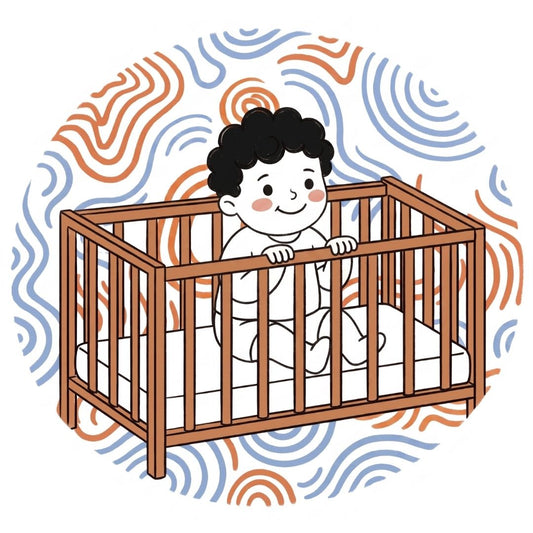
Cats are drawn to warm, enclosed spaces. A baby's crib is basically their dream spot. Crib netting or mesh tent covers add a simple layer of protection at night. For training, double-sided tape along the crib edges works as a deterrent (cats strongly dislike the texture), as does temporarily placing aluminium foil there.
The key is giving your cat an equally appealing alternative such as an an elevated perch or cat tree nearby lets them feel included in the nursery space without actually being in it.
Product Picks Worth Knowing
Tip 5: Affordable Pet-Proofing Essentials
You don't need to spend a lot to secure your home well. Socket guards and cord covers in reasonable range prevent both curious pets and teething babies from getting into wires. Cabinet locks keep cleaning products and pet food sealed away. These are small purchases with outsized impact, most are available from Indian brands on Amazon or Flipkart and install in minutes.

Seasonal Hazards
Tip 6: Toxic Plants to Watch for During Monsoon Season
Monsoon season tends to accelerate plant growth and bring more greenery into homes and balconies. Some of the most common household plants are also among the most dangerous for pets. Lilies (highly toxic to cats and can cause kidney failure), pothos, philodendron, aloe vera, and oleander all frequently appear in Indian homes and gardens.
It's worth doing a thorough walkthrough of your space; indoors and on the balcony, and cross-referencing with the ASPCA's complete toxic plant list. Safe, easy-to-maintain alternatives like spider plants or Boston ferns are widely available and look just as good.
Training Tips
Tip 7: Teaching Dogs Not to Chew Baby's Toys
Humid weather makes everything smell stronger, which means baby toys become even more interesting to a curious dog. Positive reinforcement is your best tool here. Consistently reward "leave it" and "sit" commands with treats. Store baby toys in closed bins or on high shelves when not in active use.
If you're expecting, start this training before the baby arrives. Introducing new sounds (baby cries via recordings) and new smells (a baby blanket brought home before discharge) helps dogs adjust gradually rather than all at once.

Cleaning and Hygiene
Tip 8: Choosing Cleaning Products Safe for Both Pets and Babies
Strong chemical cleaners are worth reconsidering when you have both a pet and a newborn at floor level. Diluted white vinegar and baking soda handle most surfaces effectively. Pet-safe Indian brands like Koparo and Born Good offer non-toxic formulations that work well for everyday cleaning without harsh residues.
During monsoons, make it a habit to dry your pet's paws after every walk. Wet paws tracked across the floor are a slip risk and carry in outdoor bacteria. A small towel by the door takes about ten seconds and saves a lot of cleanup.
Wires and Safety
Tip 9: Securing Electrical Wires
Exposed wires are equally tempting to chewing pets and teething babies. Bundle cords with cable ties or flexible cord covers, and fit socket guards in every accessible outlet. In older apartments especially, check for wiring that may have loosened over time and secure it properly.
Balconies need particular attention- mesh or grille additions prevent falls and keep pets safely within bounds, which matters even more during breezy monsoon evenings.

Storage
Tip 10: Keeping Pet Food Out of Baby's Reach
Once a baby is crawling, pet food bowls at floor level become a hazard. They become both a choking risk and a hygiene concern. Elevate feeding stations, or transition to locked cabinets or high shelves during feeding times. Airtight storage bins for dry pet food also prevent humidity from encouraging pests, which is a genuine concern in warmer, wetter months.
Common Mistakes Worth Avoiding
Loose wires left unmanaged, skipping supervision even just for a minute, and overlooking balcony plants are the most common oversights. None of them take much to fix, they just require a once-over with fresh eyes.
A Quick Pre-Baby Checklist
-
HEPA vacuum purchased and in use.
-
Non-slip rugs on tile floors.
-
Baby gate installed at nursery door.
-
Crib netting in place.
-
Toxic plants removed or relocated.
-
Cords bundled and socket guards fitted.
-
Cabinet locks on cleaning product storage.
-
Pet food should be elevated or stored away.
-
Non-toxic cleaning products switched in.
-
Pet's dedicated comfort spot established.
Loopie carries practical baby gear designed to fit into real home setups, including ones with pets in them. Worth a browse when you're putting your checklist together.

FAQ Answering Concerns about Pet-Proofing
Is it safe to have pets with a newborn at home?
Yes, absolutely. Many families do it well. The foundation is consistent supervision, clear boundaries, and a bit of preparation upfront. Pets and babies can build genuinely beautiful bonds with the right setup.
What kind of baby gate works best for homes with dogs?
Pressure-mounted, walk-through gates are the most practical for most homes. No drilling required, easy to reposition, and sturdy enough for larger dogs. Look for models adjustable to your doorway width.
What are the main monsoon-related hazards for pets and babies?
Wet paws bring in mud and bacteria, slippery floors, faster-growing toxic plants on balconies, and increased humidity that worsens dander and mold. Regular cleaning, paw-drying routines, and a plant audit go a long way.
What changes should I make to my pet’s routine before the baby arrives?
Gradually adjust feeding, walks, and attention so the shift feels natural and not sudden. This helps prevent jealousy or anxiety.
Is it ever safe to leave my pet alone with the baby, even for a minute?
No. Never leave them unsupervised, even briefly. Accidents can happen quickly with playful or startled pets.
Are there zoonotic diseases from pets to newborns that parents in India should watch for?
Yes, risks like ringworm, toxoplasmosis, or salmonella exist but are low with good hygiene. Regular vet check-ups, handwashing after pet contact, and no raw feeding help prevent them.
What if my pet seems jealous or acts out after the baby arrives?
Extra one-on-one time, positive reinforcement, and safe spaces reduce jealousy. If behavior worsens, consult a vet or trainer early.
How to Reduce Pet Allergens in the Home
Vacuum often with HEPA filters, wash pet bedding weekly, groom regularly, and keep pets out of nursery. In monsoons, dry paws after walks to avoid tracked allergens. These habits help keep air cleaner for babies without rehoming anyone.

Making Healthy Paw-Friendly Boundaries!
Pet-proofing is less about restriction and more about thoughtful arrangement. You don’t have to exclude your furry friend to have fun times with your lil’ one. A few intentional changes to your space can go a long way in making each member feel loved, and cherished.
The extra space only means that your baby can explore freely, your pet feels secure, and you get genuine peace of mind. Start with the checklist, take it one tip at a time, and enjoy the beautiful times ahead.
For more on setting up a safe space for your newborn, explore our blog on 'How to Set Up a Baby Room.'