Taking your child on a road trip is exciting, but any parent knows that long drives can quickly turn into a struggle if your little one isn’t comfortable. Babies spend hours in their car seats during family outings, and that means car seat comfort isn’t just a luxury; it’s a necessity for their safety and happiness.
From harness adjustments to the right cushion support for infants, there are several simple ways to ensure your child stays cozy and calm. In this Car Seat Comfort Guide, we’ll walk you through everything you need to know about keeping your baby happy on long drives.

From harness adjustments to the right cushion support for infants, there are several simple ways to ensure your child stays cozy and calm. In this Car Seat Comfort Guide, we’ll walk you through everything you need to know about keeping your baby happy on long drives.
Why Car Seat Comfort Matters for Babies on Long Drives?
Car seats are designed first for safety, but comfort plays a huge role in how well your baby adapts to them. An uncomfortable seat can lead to:

-
Fussiness and frequent crying
-
Interrupted naps on the road
-
Neck strain or back discomfort
-
Parents feel stressed while driving
When your baby is at ease, the entire family enjoys the ride more. A comfortable baby car seat allows your child to nap peacefully, enjoy the scenery, and stay safe without endless squirming.

Baby Car Seat Features for High Comfort
1. Infant Seat Insert
For newborns and younger babies, a car seat insert provides additional support and coziness. Infants can feel small and wobbly in a larger seat, and the insert helps create a snug cocoon.

Guideline: You can use the Infant Car Seat Insert up to 9 kgs.
This ensures your little one has enough cushioning for their tiny frame while also keeping their posture correct during those long road trips.
2. Seat Cushion: Extra Comfort for Growing Babies
As your baby grows, you may feel the seat becomes less snug. That’s where an extra seat cushion comes in handy. It adds an extra layer of comfort and helps keep your child seated correctly.

Guideline: The extra Seat Cushion should be used up to 11 kgs.
This makes a big difference on long drives, reducing discomfort and preventing your baby from slouching.
3. Neck Pillow: Supporting Your Child on Long Drives
One of the most common issues on long journeys is your baby’s head slumping to the side when they fall asleep. That’s where a neck pillow for babies in car seats is essential.

Guideline: Use the Neck Pillow for up to 2 years for your child.
The neck pillow helps maintain proper alignment, reduces strain, and makes nap time on the go much smoother. Parents can drive without constantly looking back to adjust their child’s head position.

4. Headrest Adjustment: Adapting as Your Baby Grows
A well-adjusted car seat headrest is key to long-term comfort and safety. Many parents forget to adjust it as their child grows, which can cause discomfort or even reduce protection in case of sudden brakes.

Guideline: Adjust the Headrest up to 4 years (18 kgs) with the harness. Remove the harness for further adjustment once your child is ready.
By tweaking the headrest as your baby grows, you ensure they always have the right support for both naps and upright sitting.
5. Harness Usage and Removal
The car seat harness is your baby’s best protection on the road, but it also needs to be used correctly for maximum comfort. A harness that’s too tight will irritate your child, while one that’s too loose compromises safety.

Guideline:
-
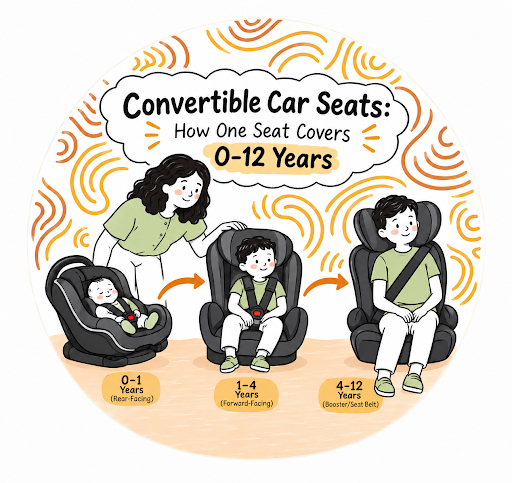
Use the 5 point harness up to 4 years (18 kgs).
-
After 4 years (18 kgs), you can remove the harness and use your car’s seat belt instead.
Read our guide on baby car seat safety

This transition helps your child feel more grown-up while still staying secure on longer drives.
You can read our guide on Baby Car Seat Safety, where we talk about
Practical Tips to Keep Your Baby Comfortable in the Car Seat
Beyond inserts and adjustments, there are several little things parents can do to make long trips smoother.
1. Dress Your Baby in Layers
Babies can quickly get too hot or too cold in the car. Dress them in light, breathable layers that can be easily added or removed. In winters, especially, think layers but not bulky clothes.

2. Plan Nap-Friendly Drives
Try to align your long drives with nap times. A cozy, cushioned car seat with the right support makes it easier for your baby to fall asleep naturally.
3. Keep Essentials Within Reach
From pacifiers to favorite toys, having comfort items handy can prevent meltdowns. Consider a car seat travel organizer for easy access.

4. Take Regular Breaks
Even the most comfortable car seat can’t replace free movement. Plan breaks every 2–3 hours to stretch, feed, and give your baby some tummy time.

5. Check Temperature Balance
Car seats can heat up quickly in the sun. Always check the fabric before placing your child, and use sunshades on the windows for added comfort.
Safety and Comfort: The Perfect Balance
Parents sometimes worry that adding cushions or pillows might affect safety. The key is to only use manufacturer-approved inserts and accessories that are designed for your specific car seat model. Random add-ons may compromise harness function.

Always double-check:
-
Is the harness snug enough to pass the “pinch test”?
-
Does the headrest align with the baby’s head, not neck or shoulders?
-
Are all cushions placed as per weight and age guidelines?
Comfort should never come at the cost of safety, but with the right setup, you can have both.
Choosing Loopie Lap Car Seat for Long Drives
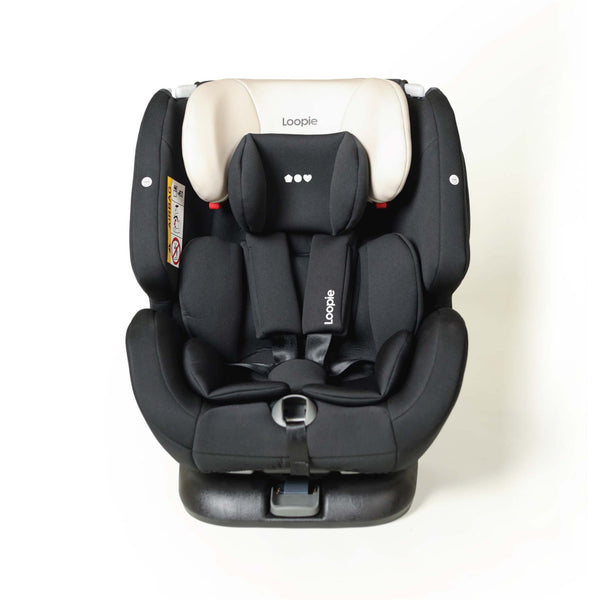
Loopie Lap baby car seat is one of the safest and most comfortable child car seats in India. Here are some reasons to purchase Loopie Lap Baby car seat before your next road trip:
1. Growth-Sync Engineering
The Loopie Lap features a precision-weighted shell that adapts to your baby’s specific developmental stage, ensuring a perfect, snug fit from the first ride home to the toddler years.
2. Cloud-Knit Breathable Padding
Experience the difference in our signature Cloud-Knit fabric. This plush, high-density cushioning is engineered with micro-vents to circulate air, keeping your baby cool and cozy even during mid-summer road trips.
3. Flex-Glide Multi-Adjust System
Forget the struggle of manual rethreading. Our Flex-Glide system lets you adjust headrests, recline angles, and harness tension with a single hand, so the seat "grow" alongside your child instantly.
4. Easy to Install
Eliminate the guesswork and the stress. The Loopie Lap’s Swift-Latch connectors provide an audible "click" and visual green-light indicators, ensuring a rock-solid, safe installation in under sixty seconds.
Making Long Drives a Happy Memory for the Whole Family
A long drive with your baby doesn’t have to be a daunting task. With the right car seat, proper adjustments, and comfort accessories, your child can stay cozy and secure for hours. That means fewer stops, less stress, and more fun memories for your family.

The Loopie Lap Car Seat is designed with growing families in mind—offering the perfect mix of comfort, safety, and adaptability. Whether it’s a quick city ride or a long road trip, your baby deserves a seat that’s built for happiness.
Final Thoughts: Car Seat Comfort is a Journey
Your baby’s comfort needs will evolve as they grow, and so will the way you use their car seat. From infant inserts up to 9 kgs to harness removal after 18 kgs, each stage comes with its own adjustments.
When you prioritize car seat comfort and safety, every long drive becomes less about “just reaching the destination” and more about enjoying the journey together.
With these tips, you’ll always be road-trip ready—no matter how long the drive.
Frequently Asked Questions (FAQs)
How can I make a car seat more comfortable for long car rides?
To improve comfort on long trips, ensure the harness is snug but not pinching, use breathable cotton liners to prevent overheating, and schedule breaks every two hours to let your baby stretch and move.
How do I properly set the baby car seat position?
The seat must be at the specific recline angle indicated by the seat’s level indicator. This keeps the airway open. Ensure the base is tight and the seat doesn't move more than one inch.
How can I help my baby get used to the car seat?
Start with short, positive trips to fun locations. Bring the seat indoors so they can sit in it while playing, and use familiar toys or soothing music to create a calm, recognizable environment.
What can I safely put on my car seat to make it more comfortable?
Only use accessories approved by the seat's manufacturer, such as branded shoulder pads or cooling liners. Avoid thick blankets or aftermarket cushions that weren't crash-tested with your specific model, as they can compromise safety.
What is the best way to entertain a baby on a long drive?
Use soft, lightweight toys that attach to the carrier handle or a back-seat mirror. Avoid heavy or hard toys that could become dangerous projectiles if you have to stop the car suddenly.