


At Loopie, we’re kind of a sucker for interesting facts and tidbits. So, as we dove into designing our Loopie Lap Car Seat, we really wanted to understand the history of baby car seats and their evolution over the decades.
What we discovered was quite fascinating.
Sure, car seats today might be sleek, safe, and smart (yes, we’re looking at you, 360° rotation!). But it wasn’t always this way. So let’s rewind the tape and take a joyride through the history of car seats.
History of Baby Car Seats
1930s-1950s: The Earliest Design Of Infant Car Seats
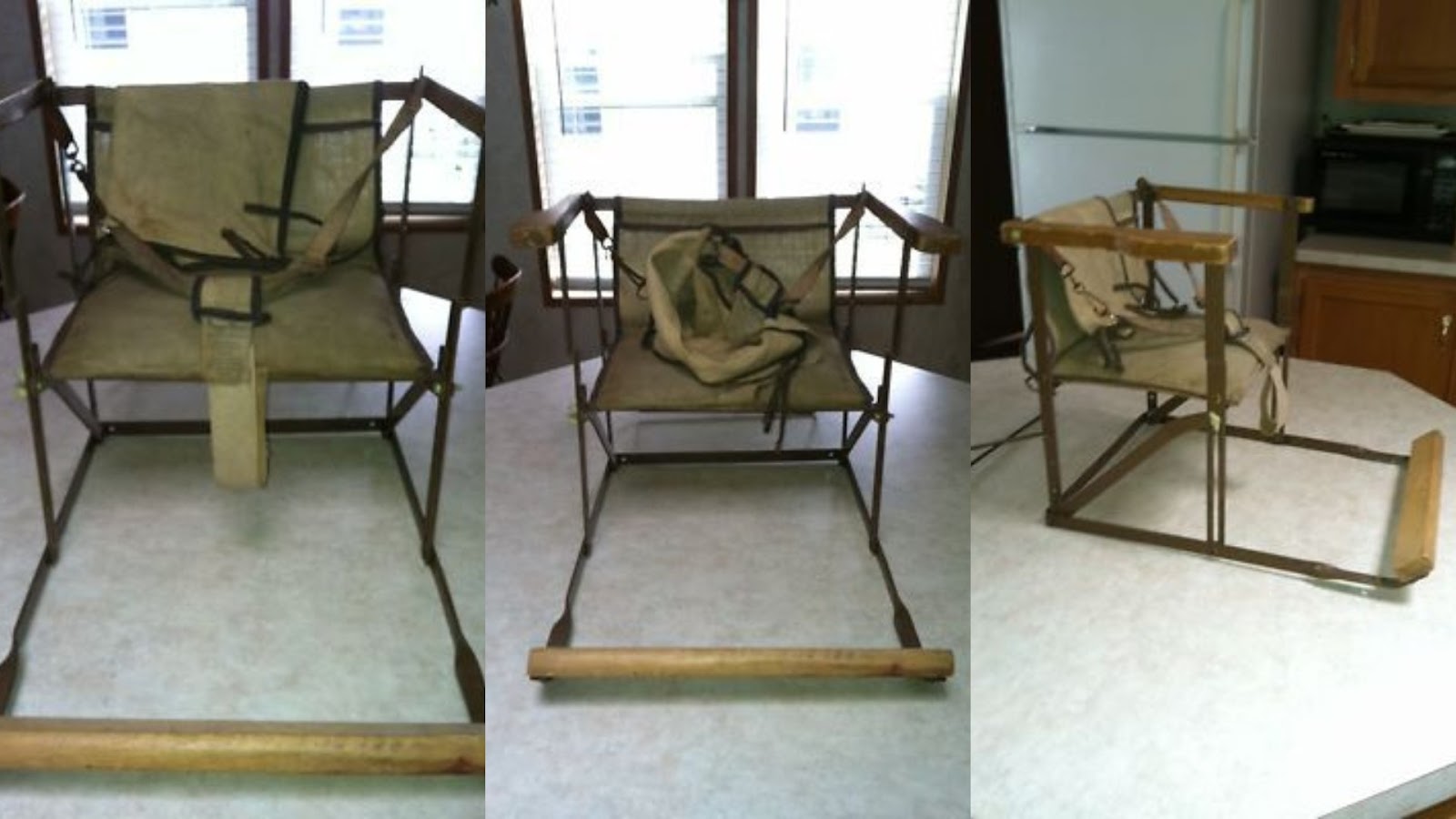
Back in the 1930s, car seats weren’t built for safety; they were built for height. Designed to boost babies up so parents could see them (and maybe feed them snacks), these early car seats were more like bouncy chairs with a view.
Essentially, it was more about convenience than safety.
1960s: Baby Steps Toward Safety in Car Seats
The 1960s brought a bit of a wake-up call. With car culture booming, so were the risks. It was around this time that the first safety-focused baby car seats began to emerge.
-
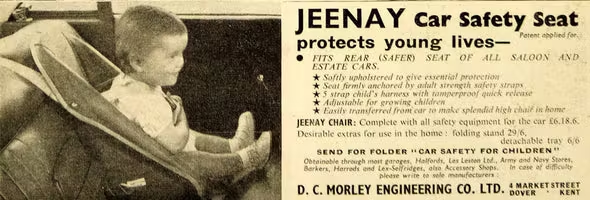
1962: British inventor Jean Ames introduced a rear-facing seat with a Y-shaped strap, a move inspired by how astronauts were secured during takeoff. And so the Jeenay Car Seat was born, the first car seat intended for back seat use, and came with a 3-point harness and foam pads.
-
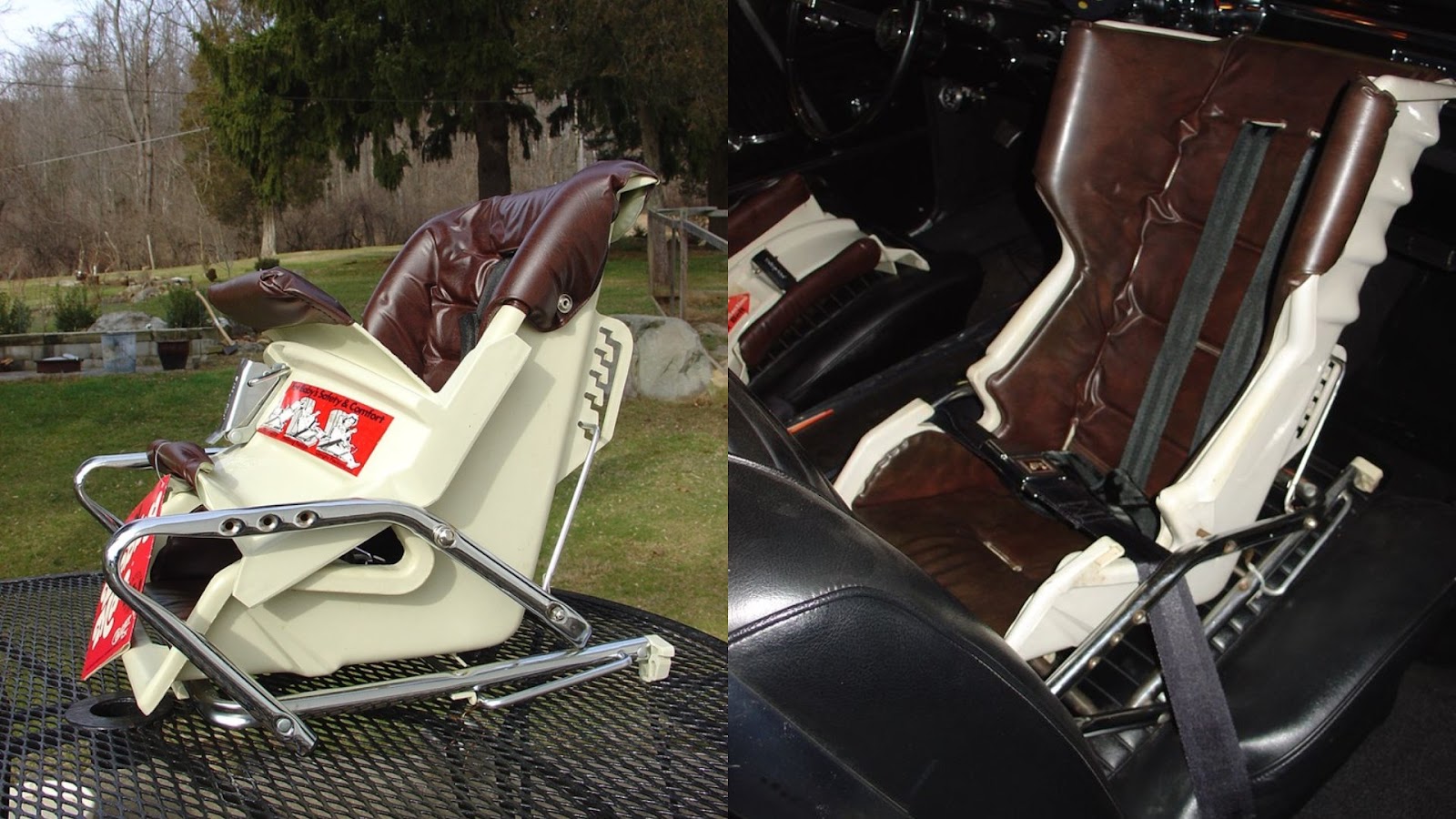
That same year, Leonard Rivkin in the U.S. designed a metal-framed car seat meant to restrain children during collisions.
Still, these early models were not mandatory, and most parents saw them as optional gear, not life-saving essentials.
1970s: Seat Belts Get Serious
As awareness grew around child safety in cars, so did innovation.
-
1971: The National Highway Traffic Safety Administration (NHTSA) set the first federal standards for child car seats in the U.S.
-
These standards focused mainly on securing the seat to the car, not just the child within the car seat.
1980s–1990s: Safety Becomes the Standard
This was the game-changer era. By the 1980s:
-
Car seat laws were introduced in multiple countries.
-
In the U.S., all 50 states eventually passed legislation requiring child car seat use.
-
Crash testing became more common, and so did certification standards like FMVSS 213 (U.S.) and ECE R44 (Europe).

The 90s brought in better padding, adjustable harnesses, and infant seat inserts. The concept of age-appropriate seating, rear-facing, forward-facing, and booster, was becoming mainstream.
2000s–2020s: The Era of Smart Design
With rising awareness among millennial parents, the demand shifted from just safety to safety + comfort + convenience.
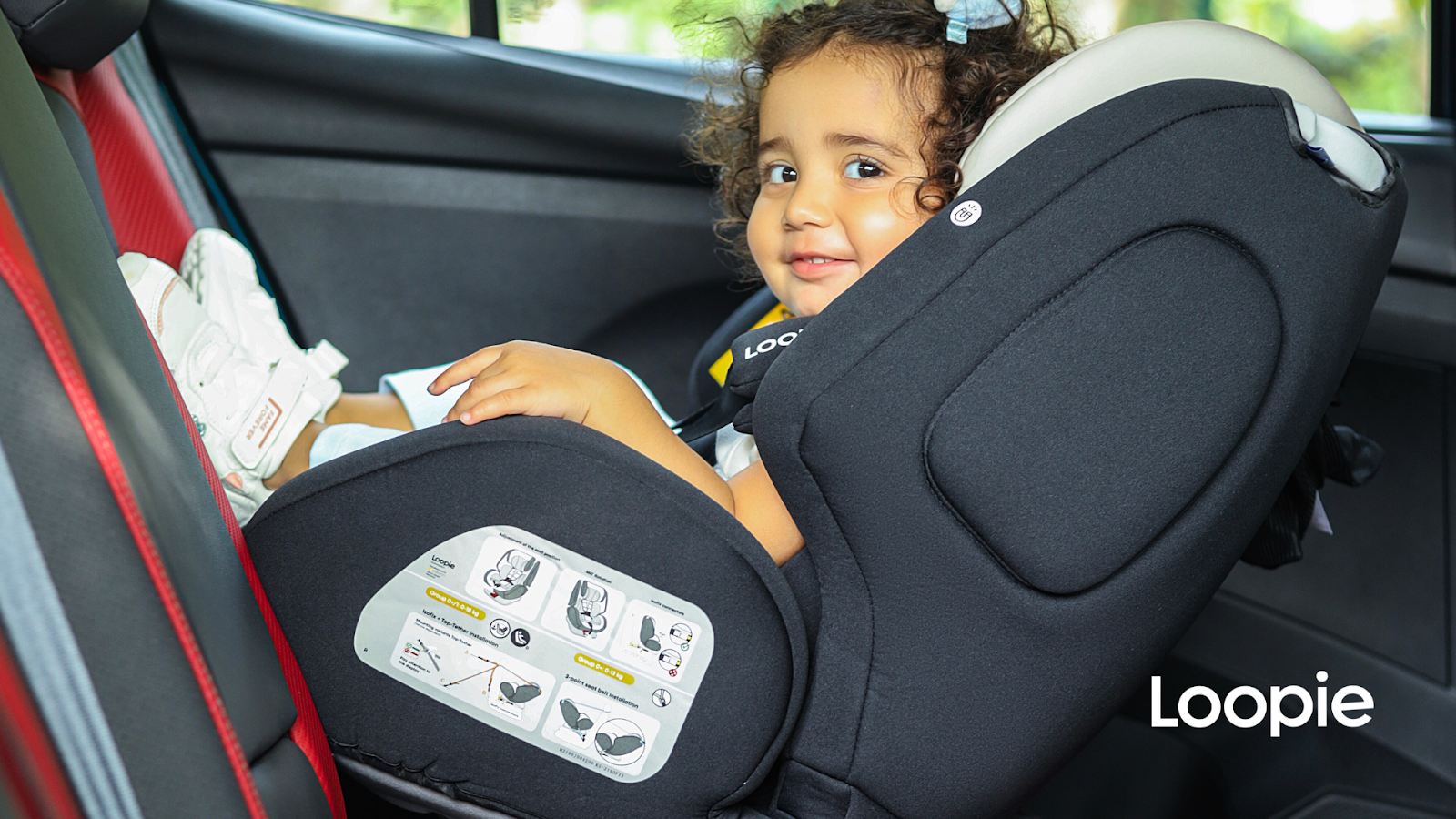
Parents wanted ergonomic, easy-to-install, and multifunctional car seats. This era saw:
-
360° rotating car seats for hassle-free loading/unloading
-
ISOFIX/LATCH systems for universal installation
-
Side-impact protection and added cushioning.
-
Lightweight travel systems and convertible car seats.
Read this article on Baby car seat groups
What is the Best Car Seat That Grows with Baby?
The Loopie Lap Convertible Car Seat stands out as the best option that grows with your baby from newborn to 12 years. It combines long-term use, comfort, easy installation, and 360-degree rotation into one practical design.
When we sat down to design the Loopie Lap, we took all those decades of evolution and real-life parenting experiences and packed them into a car seat that grows with your child.
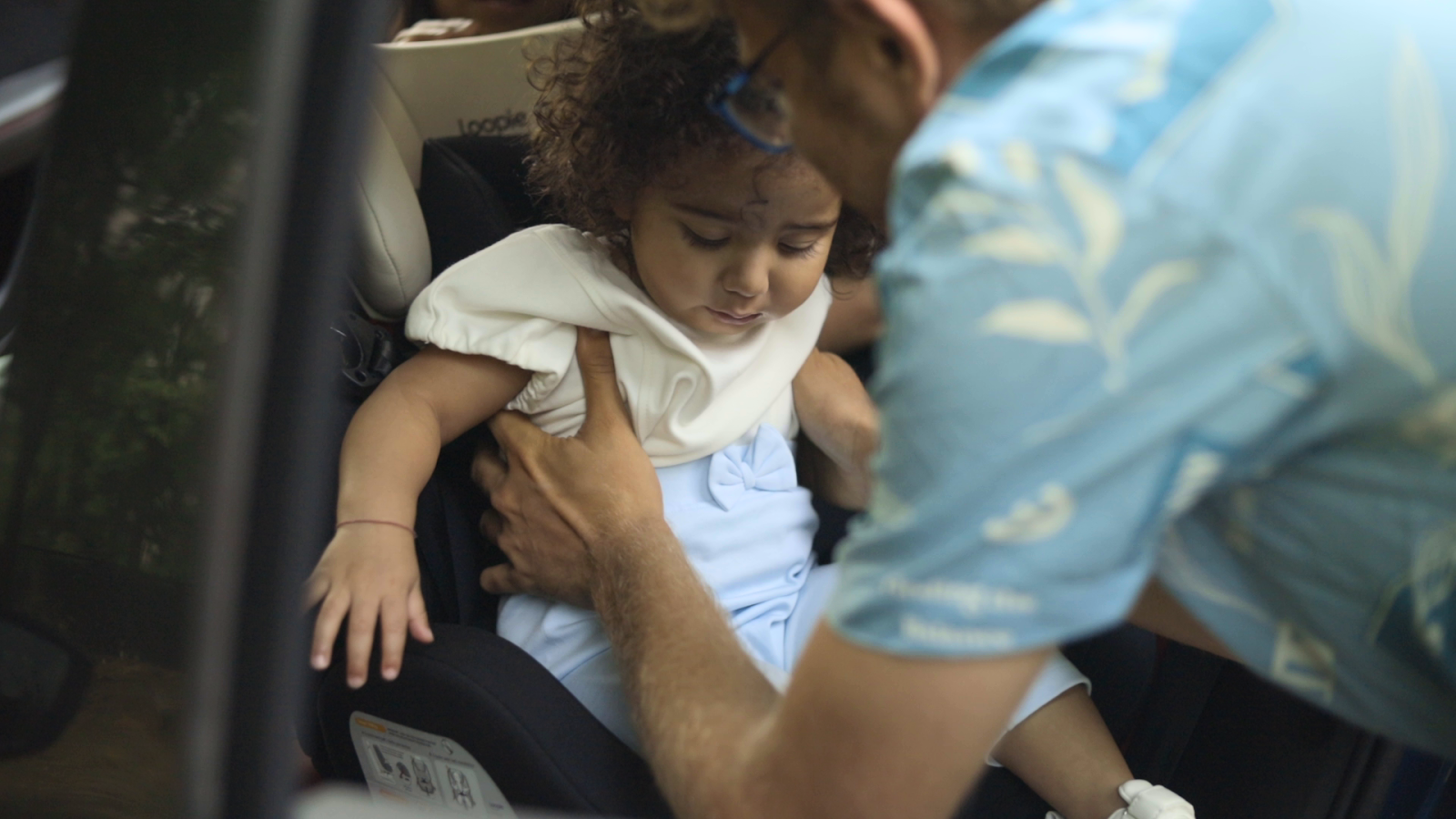
While talking to parents through our design process, a few things became apparent:
-
The car seat should last for a long time
-
It should be really, really comfortable for the child
-
Easy use and installation
-
360-degree rotation is a must-have feature
Furthermore, understanding the evolution of baby car seats helped us appreciate just how much design, safety science, and parental advocacy have shaped what we now consider non-negotiable baby gear.
While India is yet to bring in their own safety standards and regulate the use of car seats, we do now have a generation of more safety-conscious parents.
So, the next time you hear that satisfying click of your baby’s harness locking in, know this: You’re part of a story that’s been decades in the making.
Read our guide on
Frequently Asked Questions for Loopie Lap
When Was the Baby Car Seat Invented?
Baby car seats first appeared in 1933 with the Bunny Bear booster seat. It elevated kids for visibility, not crash protection. True safety-focused seats arrived in 1962.
Who Invented the Car Seat for Babies?
Jean Ames invented the first safety-oriented baby car seat in 1962. Her rear-facing Jeenay seat featured a Y-shaped harness for backseat use.
Who Invented ISOFIX?
ISOFIX was developed by Volvo and Mercedes-Benz engineers in the late 1980s. Standardized globally in 1999, it uses rigid anchors for secure installation.
What Makes a Good Baby Car Seat?
A good car seat offers a 5-point harness, rear-facing capability for infants, ISOFIX compatibility, side-impact protection, and easy harness adjustment. Comfort and rotation add practicality.
Is a Car Seat Mandatory in India in 2026?
Car seats are not legally mandatory in India yet. However, safety-conscious parents use them voluntarily. New regulations may come by 2027.
Rear-Facing vs Forward-Facing: Which is Safer?
Rear-facing is safest for babies up to 15 months as it supports the head and neck in crashes. Switch to forward-facing only after max height/weight. Read our guide on Rear-Facing vs Forward-Facing baby car seat.


