Somewhere between the joyful thrashing during bath time and the first monsoon puddle a toddler tries to jump into, most Indian parents start wondering about the pool. Is six months too early? Is a year too late? And does a swim class actually make a baby safer, or is that just marketing?
This guide is for parents figuring out when to start baby swimming in India, whether that's a formal class, a family holiday with a pool, or just safer bath time at home. It covers the right age, what a class looks like, and the water safety habits that matter just as much as any lesson. Read more to find what actually helps.

What to Know Before Your Baby's First Swim
At this age, swimming isn't about strokes. It's about comfort in water, bonding with a parent, and a few early safety habits that build over time. Formal skill-building typically comes much later; the early years are simply about getting comfortable in water without fear.
One thing worth remembering early: no class, however good, makes a baby "drown-proof." That phrase shows up a lot in swim school marketing, and it's worth taking with a pinch of salt. A baby's real safety net is a watchful adult within arm's reach, every time, in every setting.
That includes home. Buckets, drums, overhead tanks, and monsoon waterlogging matter just as much for water safety as any pool, especially in Indian households where water storage is part of daily life.

A simple habit, like emptying buckets right after use and assigning one adult as the designated watcher during family gatherings, does more for safety than most parents realise.
If a grandparent or relative raises an eyebrow at the idea of taking such a young baby near water, it usually helps to explain it simply: this isn't swimming in the competitive sense; it's supervised water comfort, and it comes with real safety benefits. Most concerns settle once they see a class in action.
A quick, gentle note: everything here is general information. If your baby was born early or has a health condition, a quick chat with your paediatrician before starting is always a good idea.

What Age Can Babies Start Swimming in India?
There isn't one universal answer, but most guidance converges on a similar pattern.
|
Age |
What's appropriate |
|
0–6 months |
Warm bath-time play at home; avoid crowded public pools |
|
6–12 months |
Gentle, parent-accompanied sessions in a warm, clean pool, once head and neck control is steady |
|
12 months and beyond |
Structured swimming lessons start to make clearer sense as a safety layer |
HealthyChildren.org's swim lessons guide notes that many paediatric bodies now support swimming lessons for children from around age one as part of drowning prevention, though there isn't strong evidence that lessons before that age reduce drowning risk on their own.
NDTV's report featuring paediatrician guidance on when children should start swimming reflects a similar view among Indian doctors, many of whom suggest waiting until closer to a year for formal, structured classes.
Vaccination timing is a common question too. A baby who is well, feeding normally, and free of fever can usually go ahead with gentle swimming before or after a scheduled vaccine. If your baby seems unwell or feverish after a shot, it's simply better to wait until they're back to their usual self.

Swimming Lessons and Water Safety: What Matters Most
This is the part most guides skip, and it's worth a gentle pause.
Water safety in India isn't really about the pool alone. According to a study on unintentional injury deaths among young children in India, hosted via the University of Toronto's research repository, everyday moments at home and around open water carry more weight than most parents realise, especially in rural areas.
A closer look at one state adds useful context: a population-based study on child drowning in Bihar, published in the journal Injury Prevention, found that most incidents happened during ordinary play and bathing, not during swimming lessons, and usually near rivers and ponds rather than pools.

That's actually reassuring in its own way. It means the things that help most are simple and within a parent's control: staying close during bath time, keeping buckets and tanks covered, and treating any water source at home with the same care you'd give a pool.
Swim lessons genuinely add to this. For children aged one to four, research summarised by HealthyChildren.org points to a meaningful reduction in drowning risk with formal lessons. Think of lessons as one good layer among several, alongside the everyday habits that already come naturally to most parents.

What Actually Happens in a Baby Swimming Class
For infants and toddlers, a good class looks playful, not technical. Sessions for this age group usually involve:
-
A warm-up in shallow water, with the parent holding the baby throughout.
-
Gentle kicking, arm movement, and reaching for floating toys.
-
Blowing bubbles, pouring water over the head, and brief supported floats.
-
Songs and simple games to build positive associations with water.
-
A quick, warm cool-down to avoid chilling, keeping sessions to around 20–30 minutes.

Parents stay in the water the entire time for babies this age, learning how to hold, move, and respond to their little one under the guidance of a trained instructor.
Worth knowing: many babies actually meet a pool for the first time not in a class, but on a family trip, a resort pool, a relative's housing society pool, or during a holiday. The same rules apply even without an instructor present.
Check the water depth and temperature, keep one adult solely responsible for watching the baby, and don't assume a lifeguard or a crowd of relatives means someone is watching your child specifically.
That shared time in the water, holding, moving, and simply being close, is its own kind of bonding. If you're looking for more ways to build that connection through the first year, our guide on baby bonding activities has ideas for every stage.

How to Get Ready for Your Baby's First Swim
The research is one thing; the actual logistics of getting a baby in and out of a pool are another, and this is where a lot of first-timers feel caught off guard. Parents in online parenting communities often mention giving themselves extra time for that very first outing, since dressing, undressing, and settling a baby takes longer at the pool than it does at home.
A few practical basics to pack:
-
A swim diaper, either reusable or disposable, since most pools don't allow regular diapers in the water.
-
A snug, comfortable swimsuit.
-
Two towels, one for an immediate wrap and one for later.
-
A full change of clothes, including something warm if the centre is air-conditioned.
-
A separate wet bag for damp swimwear and towels.

Some pools ask for just a swim diaper; others prefer a diaper with a swimsuit layered over it. A quick call ahead saves confusion on the day. It's also worth knowing that a swim diaper is designed to contain solid waste, not liquid, so don't be surprised if it feels less absorbent than a regular one.
One tip that comes up often among parents on Reddit's r/NewParent: Change your baby into swimwear as close to the pool as possible, and change them straight back out of it right after.
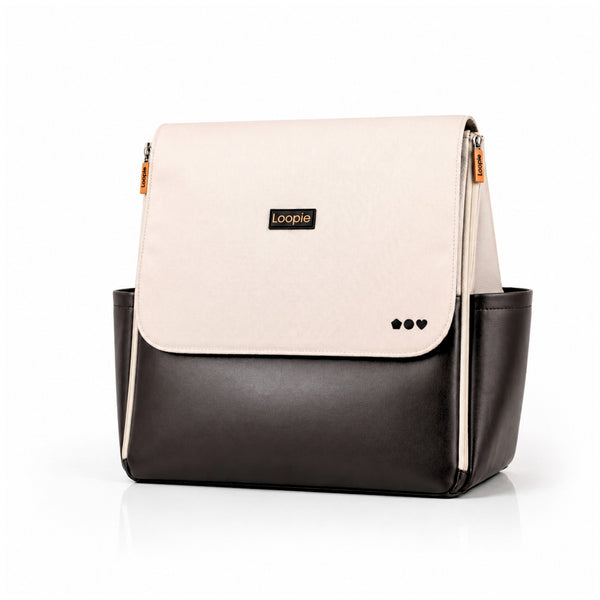
A warm poolside change is far more comfortable for a baby than a cold locker room floor, and it also means less fuss right when everyone's ready to head home. A bag with a separate compartment for wet things, something like a diaper bag, tends to make this part of the day a little less chaotic.

When to Skip Swimming with Your Baby
Some days, the best plan is simply to stay home, and that's completely fine. According to WaterWiseKids' guide on deciding whether to swim on a sick day, it's best to skip a swim session if your baby has:
-
A fever, until at least 24 hours fever-free and back to their usual energy.
-
Diarrhoea or vomiting.
-
A contagious eye or skin infection.
-
An open or infected wound.
-
Noticeable discomfort or fatigue after a recent vaccination.
A mild cold without a fever usually isn't a reason to cancel, as long as your baby seems comfortable. During monsoon months especially, it's worth being a little more attentive to pool hygiene, since heavy usage and rain runoff can affect water quality faster than usual.

How to Take Care of Your Baby's Skin After the Pool
Chlorine, even in a well-maintained pool, can be a little drying or irritating for a baby's sensitive skin. A simple routine helps:
-
Rinse with fresh water before and after swimming.
-
Pat dry gently rather than rubbing.
-
Follow up with a fragrance-free moisturiser within a few minutes of drying off.
If your baby has eczema or particularly reactive skin, keep sessions short and moisturising consistently, and check in with a paediatrician or dermatologist if flare-ups persist.
Fungal and skin infections linked to prolonged wet swimwear and shared pool spaces have also been flagged by doctors in India, so changing out of wet swimwear promptly is worth the extra minute it takes.

How to Choose a Safe Swimming School for Your Baby
Not every centre is created equal, and it's fine to ask a lot of questions before enrolling. A few worth raising:
-
Are the instructors certified in infant or toddler swim teaching, along with basic first aid?
-
How many babies are in the water per instructor?
-
How often is the water tested for chlorine and pH, and is that logged anywhere visible?
-
What's the policy if a child shows up with a fever, cold, or infection?
-
Is the approach playful and gentle, with no forced submersions?

Outdoor pools can work well too, as long as timing accounts for the sun and heat; late morning or early evening sessions tend to be more comfortable than the middle of a hot afternoon.
And if a heated, premium facility isn't available nearby, a well-supervised society pool or a seasonal community batch is a perfectly reasonable place to start. Supervision and cleanliness matter far more than branding.

Montessori-Inspired Way to Think About Baby Swimming
Montessori philosophy doesn't have to be something you follow strictly at home to find its swimming guidance useful. The core idea is simple: let the child set the pace, and never force anything, especially something as personal as putting their face in water. Observe a child's comfort and curiosity rather than pushing toward a milestone on a schedule.
In practice, this looks like a calm instructor who invites rather than instructs, lets a baby sit at the edge and splash if that's all they're ready for, and treats a scared reaction as information, not something to push through.

Some infant swim methods do use supported submersion under controlled conditions, but this remains a debated approach, as discussed in Watermellow's piece on submerging babies underwater. For most families, following the baby's own cues tends to make the whole experience calmer for everyone.
The nice part is that this kind of water confidence starts well before the pool. Everyday moments, like pouring water while washing hands or helping fill a small mug for plants, build the same comfort and coordination.
Whether or not Montessori is something you follow at home, its heart- respecting your child's pace and focusing on comfort over performance- tends to make the whole swimming journey a little easier for both of you.
If this way of thinking resonates with you beyond the pool, our guide on the If this way of thinking resonates with you beyond the pool, our guide on the benefits of Montessori learning breaks down the philosophy further, along with practical ways to bring it into everyday life at home. breaks down the philosophy further, along with practical ways to bring it into everyday life at home.

FAQs: Questions About Baby Swimming in India
Can a 3-month-old go to a swimming pool?
Most guidance suggests waiting until at least six months for public or chlorinated pools, mainly due to a baby's developing immune system and temperature regulation. Before that, warm bath-time play at home works just as well.
Are swim diapers really necessary?
Yes. Regular diapers swell and fall apart in water, which isn't pleasant for anyone in the pool. A snug swim diaper, reusable or disposable, is a small step that most facilities require.
What if my baby cries during class?
Some fussiness in the first few sessions is completely normal. Keeping things short, warm, and playful usually helps, and most babies settle in within a few visits.
Can babies with eczema go swimming?
Often yes, with a little extra care. Short sessions, a quick rinse before and after, and a fragrance-free moisturiser usually keep skin comfortable. If flare-ups are frequent, it's worth checking in with a paediatrician.
Happy Swimming to Your Li’l One!
Swimming can genuinely be a lovely part of a baby's early months, built on comfort, closeness, and a bit of splashy fun. The right age depends on your baby's health and your own comfort level more than any strict rule. And while a good class helps build water confidence over time, the habits that matter most- closing lids on tanks, staying within arm's reach, and treating every body of water with the same care- live at home, not just at the pool.