Monsoon in India brings a much-needed break from the heat, but it also brings its own set of questions for parents. Suddenly you're thinking about humidity, mosquitoes, and how to keep a wriggly baby dry when the weather won't cooperate. None of this needs to feel overwhelming.
With a few simple, doctor-backed habits, monsoon baby care becomes something you settle into rather than stress over. This guide is for new parents, parents of infants and toddlers, and caregivers helping out during the rains.
By the end, you'll know how to adjust clothing, skin care, feeding, and home environment for the season, plus which home remedies hold up and which warning signs mean it's time to call the doctor.

What to Keep in Mind This Rainy Season
Monsoon baby care really comes down to five habits:
-
Keep baby dry and clean, especially in skin folds and the diaper area.
-
Control mosquitoes and stagnant water in and around your home.
-
Be extra careful with food and water safety, from boiled water for formula to fresh, home-cooked meals.
-
Know the common monsoon illnesses so you can spot warning signs early.
-
Keep your baby's routine steady. Consistency matters more than perfection during a season of change.
Does Monsoon Baby Care Differ By Region
Here's something most monsoon baby care advice misses: India doesn't experience one monsoon; it experiences several. A humid, coastal city deals with very different challenges than a city that floods after heavy showers, and both are different again from a hill city with cooler, prolonged drizzle.
In humid coastal regions, near-constant dampness makes drying clothes and cloth diapers genuinely difficult, and keeping skin folds properly dry becomes the priority. In cities prone to waterlogging, the bigger risks show up once water recedes, when stagnant puddles become mosquito breeding grounds and streets carry more contaminated runoff. In cooler, drizzly regions, the concern shifts toward sudden temperature drops and keeping baby warm without overdressing.

One mom from Kerala, writing on a parenting forum, described a very real version of this. Expecting a baby during monsoon in a small town with unreliable waste collection, she was trying to figure out a practical cloth-diaper routine, since burning waste (the only local disposal option) is difficult in constant rain, and cloth takes far longer to dry in high humidity.
Her solution, drawn from other parents' experience, was a mix of cloth diapers through the day and disposables at night, adjusted to what was actually manageable rather than aiming for a perfect system.
There's a good lesson in that. Monsoon baby care isn't about following one fixed rulebook. It's about knowing which risks apply to where you live, and adjusting accordingly.
What Should Your Baby Wear in Monsoon
Dressing your baby right in monsoon is less about layering up and more about choosing the right fabric.
Soft, breathable cotton is your best choice here. It absorbs sweat and lets air circulate, which matters a lot in humid weather, as Hindustan Times' paediatrician-reviewed monsoon skincare guide points out. Full-sleeved tops and long pants help too, not to keep baby warmer, but to reduce mosquito bites on exposed skin and buffer against sudden cool winds.
It's tempting to bundle babies up more in the rainy season, but overdressing tends to backfire, causing sweating and rashes rather than preventing them, according to Bajaj Finserv Health's guide on rainy season baby skincare. A light, breathable outfit usually does the job better than a heavy one.
A couple of small habits go a long way: iron clothes before use to remove moisture and germs, as recommended by Max Healthcare's home hygiene guide for new parents, and always keep an extra set ready, since clothes take much longer to dry in monsoon.

How Should You Care for Your Baby's Skin in Monsoon
You don't need to bathe your baby every single day. For most babies with normal or sensitive skin, 2 to 3 baths a week are enough, according to Telangana Today's expert-recommended monsoon skincare routine. Use lukewarm water and a mild, fragrance-free cleanser, as Indian Express' guide on baby skincare essentials for monsoon suggests, drawing on dermatologists Dr Aanchal Panth and Dr Gauri Padmawar.
After bathing, gently pat your baby dry rather than rubbing, paying close attention to skin folds like the neck, underarms, thighs, and groin. Thoroughly drying these folds helps prevent fungal infections and irritation, notes Times of India's piece on monsoon skin rituals for newborns.
Humidity in the air doesn't mean baby's skin needs less moisturiser; if anything, a hypoallergenic, fragrance-free moisturiser applied within 3 to 5 minutes of bath time helps lock in hydration, per Hindustan Times' doctor-reviewed monsoon skincare dos and don'ts.
For diaper rash prevention specifically, change diapers frequently on humid days, clean the area with alcohol-free wipes or a damp cloth, and give your baby a few minutes of diaper-free time at each change to let the skin breathe. A zinc oxide-based barrier cream adds an extra layer of protection, as recommended in the same Hindustan Times guide.
As for talcum powder, it's best used sparingly or skipped altogether, since it can clump in humid conditions and cause friction rashes, per Bajaj Finserv Health's monsoon skincare article referenced above. If you do use one, choose an unscented, baby-safe formulation.

How Do You Keep Mosquitoes Away at Home
A monsoon-proofed home isn't complicated to build. It mostly comes down to removing what mosquitoes need to breed: stagnant water.
Check flower pots, coolers, buckets, and drains regularly, and make sure water isn't collecting anywhere it shouldn't, as suggested by Cloudnine Care's monsoon baby care tips. A mosquito net over the crib, mesh screens on windows and doors, and a pediatrician-approved repellent when needed round out a solid mosquito-control routine.
Ventilation matters just as much. Keeping air moving through the house helps control humidity and prevents mold from building up, according to Momstory's complete guide to newborn care during unseasonal rains. Regular floor cleaning with baby-friendly disinfectants is worth keeping up too, especially once your baby starts crawling.
One mom, sharing her monsoon routine on a parenting page, put it simply: she keeps a well-ironed cotton sheet ready for her baby, cleans the surroundings and toys regularly since monsoon moisture attracts germs, and dresses her baby in full-body clothing specifically to guard against mosquitoes. Small, consistent habits like these do add up.
How Can You Keep Feeding Safe During Monsoon
If you're breastfeeding, you're already giving your baby a real advantage this season. Breast milk carries antibodies that offer natural protection against common infections, something one mom on a parenting forum echoed in her own words: ensuring a proper latch and feeding on demand does a lot for a baby's immunity during monsoon.
For formula-fed babies, always use boiled and cooled water, and sterilise bottles and feeding utensils thoroughly, per Babyorgano's mild monsoon baby care tips.
For older babies eating solids, skip street food and anything that might have been sitting out in humid conditions, and stick to freshly cooked, home-prepared meals, as advised by Apollo Hospitals' health library on monsoon illnesses in children. Fruits, vegetables, and whole grains offer a good, immunity-supporting base for meals through the season.
Common Monsoon Illnesses & When to See a Doctor
Knowing what to watch for helps you act early, without needing to feel anxious about every sniffle.
Monsoon commonly brings colds, coughs, and chest congestion, viral fevers, and stomach infections like diarrhea or gastroenteritis, along with skin rashes and fungal infections, according to Apollo Hospitals' guide on monsoon illnesses and precautions in children and GEIMS Hospital's overview of monsoon diseases in children. Mosquito-borne illnesses such as dengue, malaria, and chikungunya are also more common, and in some regions, so are typhoid and water-borne infections, per Rainbow Hospitals' guide to preventing monsoon diseases in children.

A few signs are worth calling your doctor for right away: high or persistent fever, vomiting or diarrhea with signs of dehydration, difficulty breathing or rapid breathing, unusual tiredness or body ache, or a rash accompanying fever. It's also worth remembering not to give any medication without your doctor's guidance, even for something as ordinary as a fever.
Most colds and mild fevers are manageable at home under your pediatrician's guidance. Knowing the warning signs simply means you'll never be caught off guard.
Interested in understanding everything about cough and cold in babies? Read our blog: How to Take Care of a Baby with Cough and Cold.
Vaccinations & Medical Precautions
Monsoon is a good time to double-check that your baby's routine vaccinations are on schedule. Depending on your region and your baby's age, your doctor might also suggest the influenza or typhoid vaccine based on local disease patterns. As always, any new vaccine or medicine should go through your pediatrician first.
How Do You Handle Outings and Visitors
Heavy rain and waterlogged roads are best avoided with a young baby in tow, but life doesn't pause for monsoon, and sometimes you do need to step out.
When you do, a good rain cover for the stroller makes a real difference. This is something we think about a lot at Loopie: the Loopie Hop's rain cover and ventilation design were built with exactly this kind of unpredictable weather in mind, so your baby stays dry without feeling stuffy underneath. Dress your baby in full-sleeved cotton clothing with a light raincoat on top, and carry a small towel along with extra clothes, just in case.
Monsoon in India often overlaps with many festivals, which usually means more visitors and more outings than usual. It's perfectly fine to enjoy the season's celebrations; just keep an eye on hand hygiene for anyone holding your baby, and hold off on street snacks or unfiltered water for older babies who are out and about.
Speaking of visitors, a gentle ask goes a long way. Requesting that guests sanitize their hands before touching your baby, and politely asking anyone with a cough, cold, or fever to visit another time, protects your baby without needing an awkward conversation.
Want to understand the different aspects of sleep routines that are suitable for babies and tips to plan your trip around it? Check out our blog: Managing Baby's Sleep While Travelling: A Guide for Indian Parents.
Do Home Remedies Actually Work
Every Indian household seems to carry its own set of monsoon remedies, passed down from grandmothers and trusted aunties. Some of these hold up well against medical advice. Others are worth double-checking with your pediatrician before you try them.
Skipping a daily bath. This one actually aligns with expert advice. As covered earlier, 2 to 3 baths a week is genuinely enough for most babies in monsoon, so if your family already follows this instinct, you're on solid ground.
Avoiding direct fan exposure while sleeping. This is a common household belief, and while there isn't strong evidence that indirect fan use causes harm, it's reasonable to avoid pointing a fan or cool draft directly at your baby's face, particularly during a season of shifting temperatures.
Oil massage before a bath. A gentle massage with a light oil, like coconut or almond, is generally fine and can even be soothing for the baby. Heavier oils are where it's worth being more cautious, since they can clog pores in already humid weather.
Applying substances directly to a baby's skin or digestive system "for protection." This is where it's best to always check with your pediatrician first. What works as a traditional practice doesn't always translate to something recommended for a newborn's sensitive system, and your doctor can tell you what's genuinely safe for your baby specifically.
The takeaway here isn't that tradition is wrong. It's that a quick check-in with your pediatrician helps you keep the parts of these practices that genuinely help, while skipping anything that might not be right for your baby.

How to Brief Your Baby's Caregiver
If a nanny, grandparent, or domestic help is looking after your baby during the day, a quick briefing before monsoon sets in makes everyone's life easier.
Walk them through:
-
How often to change diapers, and to watch for redness in skin folds.
-
What a mild versus concerning fever feels like, and when to call you or a doctor.
-
Where the thermometer, extra baby clothes, and diaper cream are kept.
-
Basic hygiene steps, like handwashing before handling your baby, especially after visitors leave.
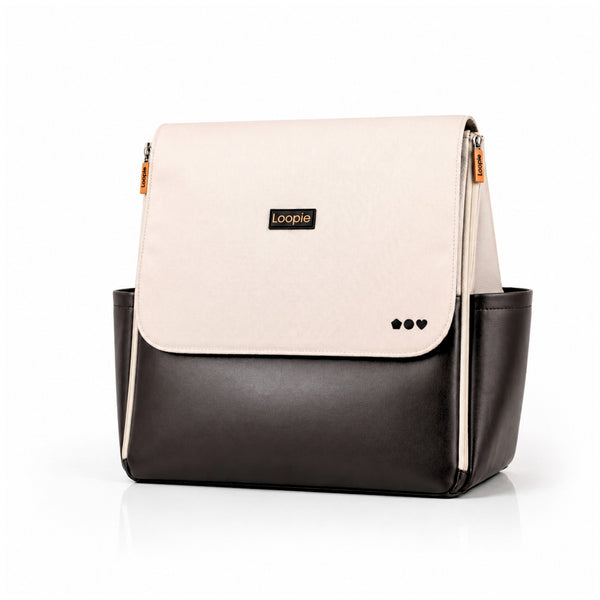
If your caregiver is stepping out with your baby, even for a short walk, having a well-organized diaper bag matters more than usual. This is exactly why Robin, our diaper bag, is built with easy, single-hand access. Fumbling with buckles while a baby squirms to avoid the rain isn't fun for anyone, and quick access to spare clothes, wipes, and barrier cream makes those unpredictable monsoon moments far less stressful.
A shared, simple checklist like this means your baby stays well cared for, whether you're home or not.
FAQs: Monsoon Baby Care Questions
How often should I bathe my baby in monsoon?
For most babies, 2 to 3 baths a week is enough. Use lukewarm water and a mild cleanser, and pat the skin dry thoroughly, especially in the folds.
Should I dress my baby in more layers during rainy season?
Not necessarily more layers, just the right ones. Full-sleeved cotton clothing protects against mosquitoes and cool winds without causing overheating.
Can I use talcum powder on my baby in monsoon?
Regular talc can clump in humidity and cause friction rashes. If you do use powder, choose an unscented, baby-safe formulation and apply it sparingly.
Is boiled water necessary for preparing formula in monsoon?
Yes. Always use boiled and cooled water for formula, and sterilise feeding bottles and utensils thoroughly through the season.
What are signs my baby might have a serious monsoon illness?
High fever, breathing difficulty, persistent vomiting or diarrhea, unusual sleepiness, or a rash with fever are all reasons to call your pediatrician promptly.
Can my baby go out in the rain?
It's best to avoid heavy rain and waterlogged areas. If you must step out, use a good rain cover, dress your baby in breathable layers, and change out of wet clothes as soon as you're back.
How do I protect my baby from mosquitoes at home?
Use a mosquito net over the crib, keep windows and doors screened, remove any stagnant water around the house, and use a pediatrician-approved repellent if needed.
Are any extra vaccines recommended for monsoon?
Routine vaccinations should stay on schedule. Depending on your region, your doctor might suggest an influenza or typhoid vaccine, so it's worth asking at your next visit.
Happy Rainy Season!
Rainy season baby care doesn't need a complicated system. It comes down to a handful of steady habits: keeping your baby dry and clean, staying on top of mosquitoes and stagnant water, being mindful about food and water safety, and knowing the warning signs worth calling your doctor about.
You don't need to get everything perfect. You just need a few reliable routines and the confidence that you're already doing right by your baby this monsoon. And whenever something feels uncertain, your pediatrician is always the best person to loop in.