Babies take in the world through every sense at once: sound, light, movement, new faces, and once in a while, it adds up faster than they can process it. And that sensory overload is what an overstimulated baby actually looks like. It is not a sign that anything is wrong, just their little system that needs a pause.
This read is especially useful if your baby has been crying, fussing, or suddenly going quiet in busy settings, or if you have a wedding, gathering, or festival season coming up and want to know what to expect. If you have ever found yourself wondering whether your baby is overstimulated, overtired, or just hungry, this should help you tell the difference and know exactly what to do about it.

What to keep in mind
Before getting into the signs, a few reassurances worth holding onto:
Overstimulation is a normal developmental response, not a red flag. Raising Children Network's guide to overstimulation explains that overstimulated newborn signs show up especially often in younger babies, because their brains are still building the ability to filter sensory input.
It also tends to fade with age. As babies grow, they build more tolerance for noise, people, and new environments, so the baby who melts down at every gathering today is unlikely to be that same baby by their first birthday.
Many parents online, in forums discussing early infant behaviour, affirm this too: at ten or twelve weeks, even a small amount of stimulation can feel like a lot, and simplifying the day, shorter play sessions, calmer environments, and watching for early cues tends to help more than anything else.
And a gentle disclaimer: This article shares general information gathered from trusted sources. It is not a substitute for medical advice. If your baby's crying feels unusually intense, prolonged, or paired with other worrying symptoms, a pediatrician is always the right call.

Signs Of Overstimulation in Babies
Knowing how to tell if your baby is overstimulated starts with noticing patterns, not just individual moments.
Behavioural signs
-
Sudden, intense crying that does not ease with the usual soothing tricks, as Healthline's guide on overstimulated babies points out.
-
Increased fussiness or clinginess, wanting to be held more than usual.
-
Turning away from faces, avoiding eye contact, or pulling back from interaction.
-
Refusing a feed even when they seemed hungry moments earlier, according to The Bump's overview of overstimulated baby signs.
Physical signs
-
Jerky or flailing arm and leg movements, along with a stiff or tense little body, both noted in Texas Health's guide on signs your baby is overstimulated.
-
Clenched fists.
-
Covering their eyes or ears, or trying to bury their face.
-
Eyes that seem unable to settle on one thing, darting around the room.
Sleep-related signs
-
An overstimulated baby's trouble sleeping is a common giveaway: falling or staying asleep becomes hard even when they are visibly tired, as Healthline also highlights.
-
A pattern that many parents describe in online parenting communities: a burst of unusually energetic, happy-seeming behaviour right before a total meltdown. This is often the "overtired" version of overstimulation, where the baby has actually gone past their tiredness window, and getting them down can take much longer than usual once that happens.
One parent's experience shared online sums up a useful prevention mindset well: knowing your baby's sleep windows and building the day around them, rather than around the event, tends to prevent most of this from happening in the first place.
Interested in reading about other reasons for these late-night wakeups? This read will provide you with easy, safe steps to help your baby sleep at night: Why Your Newborn Won't Sleep at Night and How to Fix It.

Overstimulated vs Overtired, Or Something Else?
A quick way to tell the difference: overstimulation usually eases once the environment calms down: dim lights, less noise, fewer hands. Hunger or illness tends to persist regardless of the environment, and may come with other signs like fever or vomiting.
Suppose you find yourself wondering whether your baby is overstimulated or sick; that persistence despite a calmer setting is often the clearest clue. If you are ever unsure, checking in with your pediatrician is always worth it, something txhospitals' guide for new parents also recommends.
What Causes Baby Overstimulation? Do Celebrations Affect Them?
At its core, overstimulation happens when there is simply too much: too much sound, too much light, too much handling, too much change, all landing on a baby who is also tired or uncomfortable. Raising Children Network lists these as the most common triggers across the board.
In Indian households, a few occasions bring all of this together at once.
Weddings often mean loud music, dancing, cheering, and late nights that run well past a baby's usual bedtime. This kind of baby overstimulation at an Indian wedding usually comes down to volume and pace rather than any one thing.
On top of that, there is rarely a shortage of relatives eager to hold, pass around, and entertain the baby, which can be lovely, but a lot for a small nervous system to take in during one evening.
Religious Ceremonies & Rituals bring their own version of sensory overload: bells, chanting, the flicker of diyas, sudden movements, and a room full of people wanting a moment with the baby. Overstimulation during a ceremony or festival often builds up this way, one small thing layering onto the next until it tips over.
Festivals add fireworks, bright decorations, and a shift in daily rhythm, new foods, new faces, later nights, all of which can add up quickly for a baby who thrives on routine.
Even an ordinary day at home can bring on overstimulation, especially in busy, extended-family households where visitors, television, phone calls, and cooking are all happening within earshot of a baby who is trying to nap.
None of this means these celebrations should be avoided. It simply helps to know what is coming, so you can plan around it a little.

Calming An Overstimulated Baby: Before, During, And After
Before you head out: Prevention starts here
-
Keep basic routines as steady as you can; feeding times, nap windows, and bedtime rituals matter more than they might seem to on a busy day.
-
Make sure your baby is well-fed and rested before stepping into a loud or crowded setting.
-
Plan shorter outings where possible, and consider leaving on a high note rather than waiting until your baby is overtired.
-
Pack a small "calm kit": a familiar blanket, a swaddle, a pacifier if your baby uses one, and something that plays soft, familiar sounds.
During the event: Calming techniques that actually help
-
Look for or create a quiet corner, a spare room, a car, even a quiet balcony works, away from the main noise.
-
Dim lighting and lower volume go a long way in helping a baby's nervous system reset.
-
Resist the urge to add more stimulation once your baby seems stressed; more toys, more people, or more talking rarely helps in the moment.
-
Holding your baby close, rocking gently, and speaking in a calm, low voice can help them settle, something Texas Health's guide also recommends.
-
A snug swaddle or carrier can help recreate that secure, contained feeling babies find comforting.
-
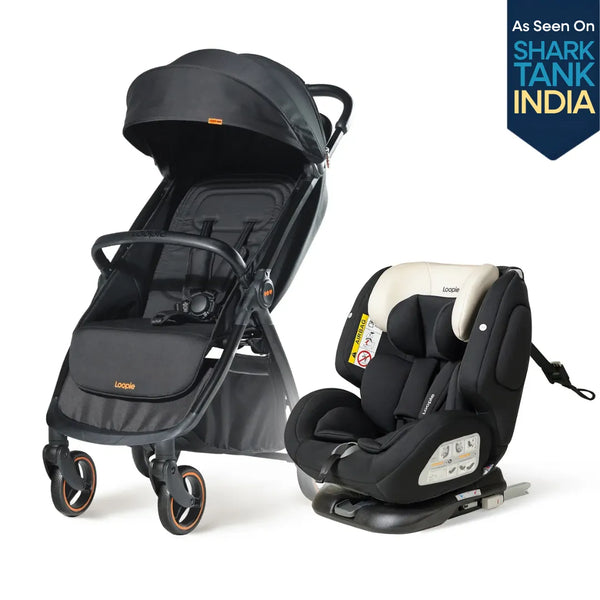
If you are stepping out for some air, even a short stroll in a stroller with a good recline and shade can double as a reset, away from the noise, at a pace your baby can settle into.
After the event
Give your baby time to ease back into their normal rhythm rather than jumping straight into the next thing. A familiar bedtime routine, even a shortened one, helps signal that things are back to normal.
Curious about baby bonding activities across the first year — by age, by routine, and by whatever phase you're in? Read our blog on Best Baby Bonding Activities.

Managing Conversations Around Overstimulated Baby
This is often the trickiest part for Indian families, because so much love and tradition is wrapped up in wanting to hold, bless, and celebrate a baby. Saying no can feel uncomfortable, but finding respectful ways to explain overstimulation to elders means it does not have to come across as a rejection.
Framing your ask around your baby's comfort, rather than as a boundary against tradition, tends to land better. A few ways to say it:
-
"She's getting a little tired; we'll take her to a quieter spot for ten minutes and be right back."
-
"We're trying to keep her sleep on track today, so we'll pop out for a short rest after this part."
-
"We know everyone wants to hold her, and that means so much. We're just limiting it a bit right now so she doesn't get overwhelmed."
For venue staff, a simple ask like requesting a quieter room nearby, or asking if the music can be dialled down a touch near a particular corner, usually goes a long way.
And between partners, sharing the load helps too: one of you can step away with the baby while the other stays for the ritual, then switch when needed.
These are simply communication tools, not rules, and most families find that a warm, confident tone gets a far better response than an apologetic one.
Overstimulated Baby Checklist For Big Events
Before: Baby is fed and rested. Calm kit is packed. Outing is planned to be shorter rather than longer.
During: A quiet corner is identified early. Handling is gently limited if your baby seems overwhelmed. Lighting and noise are dialled down where possible.
After: Routine resumes as soon as reasonably possible. A familiar bedtime ritual helps signal the day is winding down.
FAQs On Baby Overstimulation
What is overstimulation in babies?
It is sensory overload, when a baby takes in more sound, light, touch, or activity than their developing nervous system can process at once.
How do I tell if my baby is overstimulated or just hungry or tired?
Overstimulation usually eases once the environment calms down. Hunger or illness tends to persist regardless of surroundings and may be accompanied by other symptoms.
What causes baby overstimulation?
Too much noise, light, handling, or change, especially when paired with tiredness. Weddings, ceremonies, and festivals are common Indian triggers.
How do I soothe an overstimulated baby?
Move to a quieter, dimmer space, hold them close, and speak softly. Swaddling or a gentle rock can help too.
How do I explain this to elders without offending them?
Frame it around your baby's comfort rather than as a rejection of tradition. A warm, simple explanation usually works better than an apology.
When should I worry about baby overstimulation?
If crying is intense, prolonged, or paired with fever, vomiting, or breathing trouble, it is worth checking in with a pediatrician rather than waiting it out.
Keeping Your Baby Happy & Content!
Overstimulation is one of those parenting phases that feels bigger in the moment than it really is. Your baby's nervous system is simply doing the hard work of learning to process a big, bright, noisy world, and that includes the joyful chaos of Indian weddings, festivals, and family gatherings.
With a little planning, a quiet & calm corner when needed, and a gentle way of setting limits with loved ones, most of these moments pass quickly. And the real overstimulation red flags to watch for, like fever or non-stop inconsolable crying, are rare. And as your baby grows, you will likely find they need less of that quiet corner with each passing month.