A road trip with a baby runs on a different clock than the trips you took before, and this guide is here to help you plan for that, from choosing your departure time to handling the moments that catch most parents off guard.
Along the way, you'll find real experiences shared by other parents, used here to reflect what people genuinely go through, not as medical or expert guidance. Here's what's ahead: timing and route, car seat rules, what to pack, and how to handle a 3 am meltdown or a rough first night at your destination.

When Should You Leave, and Which Route Actually Works With a Baby?
Three decisions shape how your whole trip feels, and all three are worth settling before you pack a single bag.
Departure time. Many parents choose to start very early, somewhere around 5 or 6 am, so the baby sleeps through the first stretch and the roads are quieter too. A Team-BHP guide on road tripping with a toddler notes that starting before the day heats up and traffic builds makes the early hours far more manageable.
One parent on r/CarsIndia put it simply: the best tip is to drive during their sleeping time, letting the baby tire themselves out before you even get in the car.
Arrival time. Try to reach your destination at least an hour or two before bedtime. Cntraveller's account of a Mumbai-Goa road trip with a baby mentions how much smoother things went when there was time to settle in before the night routine began, rather than arriving with an overtired baby with no runway left.
Route. Plan around dependable stops rather than the shortest distance. The Indian Express guide on family road trips suggests mapping out fuel stations, food courts, or highway plazas in advance, since these tend to have cleaner washrooms and more reliable facilities than a random stop off the highway. It's also worth noting which hospitals or clinics sit along your route, just so you know they're there.
None of this needs to be rigid. It just gives your day a shape, so you're not figuring it out mid-drive.

What Are the Car Seat Rules You Can't Skip?
The car seat is where safety and comfort meet, and a little preparation here goes a long way.
The basics stay non-negotiable: a correctly installed, age-appropriate seat, and never holding your baby in your arms while the car is moving. The Indian Express's road trip checklist for parents is clear that a properly used car seat is what separates a safe trip from a risky one, on any road, at any speed.
What's less talked about is how much easier this becomes with a bit of conditioning before the trip. One parent on r/CarsIndia shared that letting their child sit in the car seat indoors for an hour or so beforehand, playing and exploring it without any pressure, made a real difference once the actual trip began.
They also kept a couple of clip-on toys unused until the day of travel, so they'd feel new and interesting when it mattered most. Another parent described a similar approach, placing the car seat where their daughter already played, so she started climbing into it on her own long before the first drive.
If your baby's seat faces backward, it's worth knowing that some babies feel a little unsettled not being able to see a parent. Staying within their line of sight, even just from the front seat, tends to help. And heat is a real factor, so dress your baby lightly and keep an eye on how warm the seat itself gets, even with the AC running.
As for breaks, most parents seem to land somewhere around every two to three hours, giving the baby a chance to stretch, feed, and reset. It's less about a strict formula and more about reading how your baby is doing and stopping before they tell you they need it.

What's on the Packing List Every Parent Forgets?
Packing for a baby is less about doing more and more about organising well, so you're not digging through the boot at a fuel stop with a fussy baby in the back seat.
Keep within arm's reach: diapers, wipes, a changing mat, rash cream, hand sanitiser, and a couple of small trash or wet bags. A parent on Reddit shared their own list along these lines, adding bibs, a towel, and a spare change of clothes for the baby, all kept close rather than buried under luggage.
Feeding supplies deserve their own small pouch: bottles or a sipper, pre-measured formula if you use it, and snacks your baby already loves.
One mum on r/twoindianmums shared that her 10-month-old's favourite road trip snack was toasted murmura dusted with ghee and jeera, alongside homemade cerelac, banana, and cheese crackers she'd packed from home. It's a good reminder that familiar, simple food travels far better than anything new or elaborate.
A small first-aid kit is worth having on hand too, with a thermometer, band-aids, and any medicines your paediatrician has already approved for your baby. This isn't the place to introduce anything new; if a question comes up on the road, it's always best to call your doctor rather than guess.
For the boot: extra diapers, spare blankets, and anything bulkier that you won't need until you've stopped for the day.
A few parents also mentioned carrying a couple of rattles or teethers specifically for restless stretches, kept separate from the everyday toys so they still feel a little special when they come out.
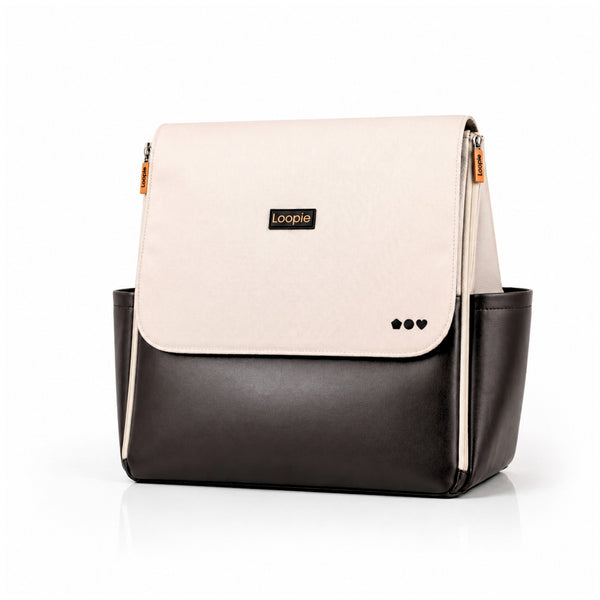
This is also where the right gear earns its place. A diaper bag that's actually organised into sections, the way Loopie's Robin Diaper bag is designed to be, means you're reaching for what you need without turning the front seat upside down. It's a small thing, but on a long drive, small things add up.

Should You Bring a Stroller, a Carrier, or Both?
Both have their place, and knowing when to reach for which one saves you a lot of second-guessing at your destination.
A stroller earns its space in the boot when you know you'll be doing longer walks, whether that's a hotel promenade, a market, or simply getting around once you've arrived.
A baby carrier, on the other hand, tends to solve problems a stroller can't. It keeps your hands free at a crowded food stop, a temple, or anywhere a stroller would just get in the way, and it keeps your baby close and calm when things feel unfamiliar.
If you're staying somewhere overnight, ask ahead whether a cot is available, or bring a compact travel one. Carrying a familiar blanket or fitted sheet from home can help a baby settle into an unfamiliar room faster than you'd expect.
What To Do When Baby Won't Stop Crying
This is the moment most parents remember long after the trip is over, and it happens to nearly everyone at some point.
Prevention helps more than people expect. Keeping a small rotation of toys, saving one or two as a surprise, and playing music over Bluetooth rather than handing over a phone all seem to buy time.
One parent on r/CarsIndia described keeping their daughter engaged by counting buses and cars going by, chatting with her every fifteen or twenty minutes so she never had the chance to get bored. Another mentioned keeping snacks like almonds, fruit, and small bites within reach, so hunger never had the chance to build into a full meltdown.
But sometimes it happens anyway, and that's alright. When it does, the most useful thing is to pull over as soon as it's safe, and go through the basics: hungry, too warm or cold, a wet diaper, or just overtired. Often it's one of these, and a feed, a cuddle, or a short walk outside the car settles things down.

It's worth mentioning too that staring at a screen in a moving car can bring on motion sickness in some babies, so if things seem worse rather than better, it might be less about boredom and more about how the movement is affecting them.
And if you use a car air freshener, it's worth pausing it for the trip. A few parents have found that scented fresheners can be more irritating than soothing in an enclosed space.
Some stretches of the drive will be rough, and that doesn't mean anything has gone wrong. It just means you're doing this with a baby, and babies have their moments. Staying calm matters more than staying quiet.
The Dirty Highway Washroom Problem
Anyone who's driven long distances in India with a baby has faced this one: you need to change a diaper, and the washroom at the stop is nowhere near usable.
Most experienced parents skip the gamble altogether and change diapers in the backseat or boot with a portable changing mat, especially on unfamiliar routes. The Indian Express's family road trip guide mentions this as a fairly standard workaround, one that saves you from relying on facilities you can't predict.
The same goes for feeding. If you're nursing, it helps to plan for a safe, parked stop rather than assuming you'll find somewhere ideal along the way. Carrying more diapers and wipes than you think you'll need is one of those small over-preparations that consistently pays off, since delays and unpredictable stretches of road are part of the deal on Indian highways.
A plastic sheet or an old towel tucked into your bag can also work as a quick backup for a roadside change when nothing else is available. It's not glamorous, but it solves the problem in the moment, which is really all you need.

Reaching Late, Overtired, and Wired: Surviving the First Night
Sometimes, no matter how well you plan, you arrive later than expected with a baby who's exhausted but somehow still wide awake.
The first few minutes at your destination matter more than they seem to. A quick scan of the room, checking for loose wires, unstable furniture, or anything within reach that shouldn't be, takes very little time and settles your own nerves as much as anything else.
After that, try to recreate whatever your baby associates with sleep at home. The same sleep sack, the same blanket, even the same white noise if you use it, all of it helps signal that it's time to wind down, even in a room that looks nothing like home. You don't need to recreate the whole routine. Just protecting one anchor point, whether that's a bath, a feed, or a story, tends to be enough to guide your baby toward sleep.
It's also fair to expect that the first night might be a little unsettled regardless of what you do. Babies adjust to new spaces at their own pace, and one rough night doesn't undo all your planning. Tomorrow tends to go easier.
How to Split the Load Between Parents
How you and your partner divide the work during the drive often matters more than any single item on your packing list.
One mum shared her experience on r/twoindianmums of an eight-hour drive with her 10-month-old, where she handled the driving and her husband managed the baby for the whole stretch. She'd fed him before they left, and he slept for most of the journey, waking briefly for milk, then a banana, then settling again until they were nearly there.

Her advice to other parents was warm and simple: don't worry too much, it will be fine, just be prepared to stop more than you would without a baby. A trip that usually takes six hours might take eight now, and that's completely normal.
Splitting roles clearly, one person driving and navigating, the other managing feeds, diapers, and entertainment, tends to keep both parents from running on empty at the same time. It also helps to go in with lighter expectations for the itinerary itself. A road trip with a baby isn't about ticking off every stop you'd planned. It's about getting there together, with enough patience left over to actually enjoy where you've landed.
At Loopie, that's really the idea behind the gear we design too, not to make the trip look effortless, but to take a little bit of the logistics off your hands, so you have more of yourself left for the parts that matter.
FAQs: Road Trips With a Baby in India
How often should you stop on a road trip with a baby?
Most parents find a rhythm of stopping every two to three hours works well, giving the baby a chance to feed, stretch, and get a break from the car seat. Adjust based on how your baby is doing rather than sticking to a strict clock.
Is it safe to breastfeed in the car while driving?
No, it's best to park in a safe, shaded spot and take your baby out of the car seat to feed. Feeding while the vehicle is moving isn't considered safe for either of you.
What's the best time to start a road trip with a baby?
Many parents prefer very early mornings, often around 5 or 6 am, so the baby sleeps through the first stretch and the roads are quieter and cooler.
What should go in a baby's road trip first-aid kit?
Pack a thermometer, band-aids, and any medicines your paediatrician has already approved. Avoid introducing anything new on the road, and call your doctor if questions come up.
Stroller or baby carrier for a road trip?
Both serve different purposes. A stroller is useful for longer walks at your destination, while a carrier works better for quick stops, crowded spots, or keeping your baby calm and close when things feel unfamiliar.
To A Calm Road Trip Experience With The Baby!
Road trips with a baby ask a bit more of you; there's no getting around that. Timing your drive well, getting the car seat right, and packing with a little more intention than usual go a long way. But it's the moments you can't fully plan for, the 3 am meltdown, the highway stop with no clean washroom, the overtired first night, that end up defining how the trip actually felt.
None of these moments mean something's gone wrong. They're simply part of travelling with a baby, and every parent who's done it has a story like this to tell. Plan what you can, stay flexible with the rest, and give yourself credit for how much you're already managing well. The trip is more doable than it feels right now, and often far more memorable than the one you took before.