A stroller is one of the most essential baby gear items every parent relies on. From daily walks to quick grocery runs, it ensures your baby’s comfort while making life easier for you. But just like any other baby essential, a stroller requires regular maintenance to keep it in top shape.
A poorly maintained stroller can become unsafe over time, causing discomfort to your baby and inconvenience for you. In this guide, we have shared a simple stroller maintenance checklist and steps that you can easily do at home, without visiting any service or repair shop.
Daily Stroller Maintenance Checklist
Regular maintenance of stroller parts ensures your stroller stays safe and functional. The stroller parts you should check regularly are:
1. Wheels & Suspension
- Inspect wheels for dirt, pebbles, or debris that may cause resistance.
- Wipe them down and ensure they rotate smoothly.
- If your stroller has air-filled tires, check the pressure regularly.

2. Brakes & Locks
- Test the brake system to ensure it locks securely.
- Remove any dirt buildup around the brake mechanisms.

3. Fabric & Seat Cleaning
- Wipe down the seat and canopy with a damp cloth after every use.
- Use baby-safe cleaning products to remove stains and prevent odors.
4. Harness & Straps
- Check that all straps and buckles are intact and functioning properly.
- Adjust the harness regularly as your baby grows.
5. Folding & Storage
- Always fold the stroller according to the manufacturer’s instructions.
- Store it in a dry place to prevent rust or mold growth.

Seasonal Maintenance Checks for Baby Strollers in India
To keep your stroller in its best condition, plan a deep cleaning session every few months.
1. Monthly Cleaning Routine
- Remove detachable fabric parts and wash them as per the manufacturer’s instructions.
- Wipe down the frame and handlebars with a baby-safe disinfectant.
- Lubricate moving parts like hinges and wheel axles to prevent stiffness.
2. Weather-Specific Care
- Summer: Use a stroller with UV protection and breathable fabric to prevent overheating.
- Monsoon: Choose a water-resistant stroller or invest in a rain cover to protect against moisture.
- Winter: Keep tires and wheels free from slush and salt deposits to ensure smooth movement.
Read our article on how to deep clean baby strollers
How to Fix Common Stroller Issues?
Before you rush your baby stroller to a repair shop, stop. Most common stroller issues can be fixed at home—by you.
We have listed the most frequently occurring problems faced by parents in India and provided simple, step-by-step fixes for each.
1. Wobbly or Noisy Wheels
Cause: Dirt buildup, loose nuts, or worn-out bearings.
Solution: Clean wheels, tighten screws, and lubricate if needed.
2. Stiff or Jammed Brakes
Cause: Accumulated dust or misalignment.
Solution: Wipe brake components with a damp cloth and remove debris.
3. Difficult Folding Mechanism
Cause: Dirt clogging hinges or mechanical failure.
Solution: Clean, lubricate, and check if any part needs replacement.
4. Fabric Stains & Odors
Cause: Spilled food, sweat, or diaper leaks.
Solution: Use baby-friendly stain removers and allow fabric to air dry properly.
How to Store and Transport Your Stroller Without Damaging It
Home Storage:
Keep your stroller in a dry, cool place away from direct sunlight. Prolonged exposure to UV rays can fade fabrics and cause plastic parts to become brittle over time. If space is tight, consider a wall-mounted hook or a dedicated storage bag to keep it dust-free and out of foot traffic.
Carrying in a Car:
Always secure the stroller in the trunk or a designated space to prevent it from sliding or tipping while driving. An unsecured stroller can become a dangerous projectile during sudden stops. If your stroller folds compactly, place it in a protective travel bag to keep both your car interior and the stroller clean and scratch-free.
When to Replace or Upgrade Your Stroller
While regular maintenance prolongs a stroller's life, knowing when to replace it is crucial. You should consider replacing the stroller for the baby when:
1. Visible Wear & Tear: Torn fabric, broken wheels, or faulty brakes.
2. Safety Concerns: If the stroller no longer provides adequate support or stability.
3. Growing Baby Needs: As your baby outgrows the stroller, upgrade to a model with advanced features.
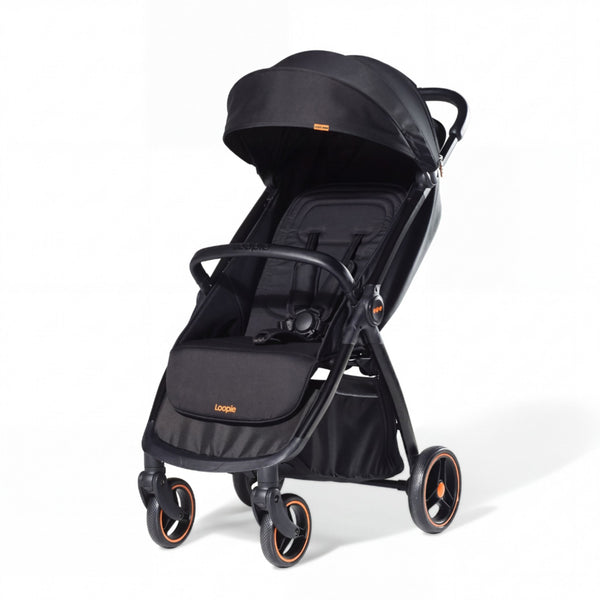
Investing in a high-quality stroller like Loopie Hop ensures durability, comfort, and safety for years to come.
You can also check out the comparison on best baby strollers in India
Conclusion
A well-maintained stroller guarantees a safe and smooth ride for your baby while making parenting easier. Regular cleaning, timely repairs, and investing in a modern stroller with essential features can make a huge difference.

Frequently Asked Questions
What is the lifespan of a stroller?
Most strollers are designed to last between 3 and 5 years with regular use. High-quality brands can last longer, but always inspect for wear and tear, especially on wheels, brakes, and harnesses.
What are common stroller problems?
The most frequent issues include stuck wheels due to tangled hair or debris, squeaky frames that need lubrication, worn-out brakes, and loose harness straps that require simple tightening.
Should I throw away my stroller or keep it?
Keep it if the damage is minor and repairable, such as cleaning issues or loose screws. Throw it away if the frame is bent, the brakes fail, or it has been recalled by the manufacturer.
How often should I lubricate my stroller wheels?
You should lubricate the wheels every 3 to 6 months, or whenever you hear squeaking. Use a silicone-based lubricant—never oil-based ones that attract dirt and grime.
How do I remove mold from my stroller fabric?
Mix a solution of equal parts white vinegar and water, gently scrub the affected area, and let it sit in the sun. Sunlight is a natural mold killer that also helps dry the fabric thoroughly.